Solar First Group Honored as Influential Photovoltaic Mounting Brand at the 14th Polaris Cup Awards

We are proud to announce that Solar First Group has been awarded the “Influential Photovoltaic Mounting System Brand” at the 14th “Polaris Cup” Photovoltaic Influential Brand Awards on September 9, 2025.


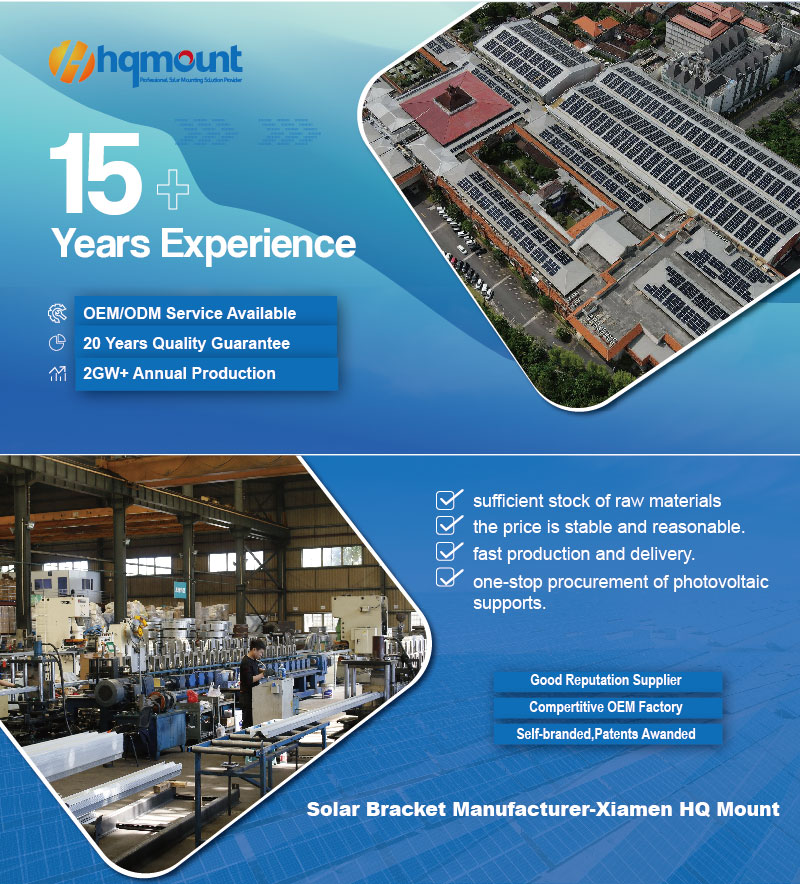
This accolade reflects the group's proven product capabilities and extensive influence across the photovoltaic market. As a national high-tech enterprise, Solar First Group specializes in the R&D, production, and sales of renewable energy products, delivering comprehensive solar solutions that include solar power generation systems, source-grid-load-storage smart energy integration, solar trackers, floating PV systems, BIPV, and flexible mounting structures.


The company’s products and services are now operational throughout China and in more than 100 countries and regions worldwide. Solar First has been repeatedly recognized as a specialized, refined, and innovative SME, a Science and Technology Giant enterprise, and a Xiamen Contract-abiding and Credit-worthy Enterprise. The group also maintains ISO9001, ISO14001, and ISO45001 certifications, and holds 6 invention patents, over 60 utility model patents, and 2 software copyrights.

Receiving the Polaris Cup underscores Solar First’s commitment to providing highly reliable and adaptable mounting solutions, even for the most complex application scenarios. It also reinforces the group’s role as a trusted innovator in the support structures segment of the global solar industry.


Looking ahead, Solar First Group will continue to adhere to its mission of “New Energy, New World,” advancing technology innovation and service excellence in photovoltaic mounting and integrated energy solutions. Through differentiated products and full life-cycle services, we are committed to supporting the global transition toward a green, low-carbon future.

We thank our partners, clients, and team members for their ongoing support and collaboration.
hashtag

Solar First Group Shines at IGEM, Secures Two Prestigious Booth Awards

We are proud to announce that Solar First Group was honored with two prestigious awards at the International Greentech & Eco Products Exhibition & Conference Malaysia (IGEM), held at the Kuala Lumpur Convention Centre on October 15:
🏆 Best Sustainable Booth (2nd Runner-Up)
🏆 Best Display Booth Winner

These accolades reflect not only our team’s dedication and creativity but also the industry’s recognition of our innovative approach to sustainable energy solutions.

At Booth 1040 in Hall 1, we showcased a comprehensive range of photovoltaic systems, including:
• Rooftop Mounting Structures
• Ground-Mount Systems
• Solar Tracking Systems
• Floating Solar Systems
• BIPV Carports

Our booth was designed in alignment with our core sustainability values—utilizing eco-friendly materials and energy-saving technologies—making it a standout feature of the exhibition and reinforcing our commitment to a greener future.

Winning these awards underscores Solar First Group’s leadership in product innovation and our ongoing contribution to the green energy transition in Southeast Asia. We extend our sincere gratitude to our partners, clients, and the event organizers for their support and recognition.

Looking ahead, we will continue to deepen our R&D efforts and strengthen our understanding of local market needs across Southeast Asia. Solar First Group remains dedicated to delivering high-performance, tailored solar solutions and supporting Malaysia and the broader region in achieving a sustainable, low-carbon future.
Join us as we power tomorrow with clean energy. 🌞

Solar First Group Shines at Saudi Solar Exhibition with Full-Scenario Solutions

From October 12-14, Solar First Group showcased its innovative photovoltaic solutions at Solar & Storage Live KSA in Riyadh. Displaying applications from ground-level to rooftop installations, the company's market-tailored products demonstrated exceptional reliability, attracting significant industry attention. 👏👏👏

🏜️ Engineered for Extreme Climates
Addressing Saudi Arabia's high-temperature and sandy environment, Solar First's solutions feature heat-resistant and UV-protected aluminum alloys. These lightweight yet durable systems suit various local structures - from concrete flats to metal roofs - effectively withstanding thermal expansion and sandy winds.

Multi-Scenario Solutions
The reinforced tracking support system ensures reliable desert performance with enhanced wind resistance. BIPV curtain walls seamlessly integrate power generation with architectural design, while fixed ground-mounted systems offer easy installation and stable operation for utility-scale projects.

🎯 Supporting Vision 2030
Aligning with Saudi Arabia's energy transition goals, Solar First is strengthening local partnerships and expanding customized services. During the exhibition, the team gained valuable insights from discussions with local enterprises and experts, further refining their understanding of regional requirements.

Moving Forward
Guided by the "New Energy, New World" vision, Solar First remains committed to technological innovation and market-focused solutions, supporting the Middle East's sustainable energy transformation through global collaboration.
hashtag

Solar First Group's Lingao County Floating Solar Project Successfully Connected to Grid, Earns Media Praise!

? Exciting News from Xiamen Solar First Group!
We are proud to announce that our floating photovoltaic project in Lingao County, Hainan Province, has successfully achieved full grid connection and is now operational. This milestone has drawn significant recognition and praise from local government and media outlets.


? Revitalizing Abandoned Mines: "Blue Armor" Harnessing Green Energy

Situated on a repurposed mining pond in Bohou Town, the project spans 114.4 mu (7.6 hectares) with a total installed capacity of 5.8 MW. More than 10,000 solar panels are neatly arranged on the water—like “blue armor”—creating a symbiotic model of clean energy generation and ecological remediation.
Operating under a full grid-connection mode, the power station generates approximately 9.66 million kWh of electricity annually. This translates to saving about 2,946 tons of standard coal per year and significantly reducing emissions including CO₂ and SO₂. A perfect example of turning wasted land into continuous green energy!

⚙️ Tackling Technical Challenges with Innovative Floating Systems
Floating PV projects entail more complex requirements than ground-mounted systems—including buoyancy, stability, and environmental adaptability. Solar First overcame these hurdles using our self-developed HDPE floating system. This lightweight, eco-friendly solution allows rapid installation without heavy machinery and offers high resistance to extreme conditions such as typhoons and heavy rainfall.


? Technology-Driven Leadership in Renewable Energy

As a national high-tech enterprise, Xiamen Solar First is committed to the philosophy of "New Energy, New World." We specialize in R&D and manufacturing of solar PV systems, floating structures, and smart energy integrations. With 6 invention patents, over 60 utility model patents, and international certifications, our products and services extend to more than 100 countries and regions.

The Lingao project exemplifies our dedication to the belief that “lucid waters and lush mountains are invaluable assets.” Moving forward, we will continue to advance innovation in renewable energy, promote initiatives like “PV + Ecological Restoration” and “PV + Rural Revitalization,” and contribute to global energy transition and sustainable development.
Join us in building a greener, smarter future!??


hashtag

Solar First Shines at Malaysia’s Green Energy Exhibition, Showcasing Diverse PV Solutions

We are thrilled to share that Solar First made a strong impression at the International Greentech & Eco Products Exhibition & Conference Malaysia (IGEM), held from October 15–17 at the Kuala Lumpur Convention Centre.

At Booth 1040 in Hall 1, we presented a wide range of photovoltaic solutions—including rooftop mounting systems, ground-mounted systems, tracking systems, floating PV systems, and BIPV carports—designed to cover diverse application scenarios and support Malaysia’s clean energy transition.

Tailored Solutions for Southeast Asia’s Climate
As a key renewable energy market in Southeast Asia, Malaysia is rapidly advancing its solar project deployment. In line with the national Malaysia Renewable Energy Roadmap (MyRER), the country aims to achieve 31% renewable energy by 2025 and 70% by 2050.
To meet local challenges such as high temperatures, humidity, and coastal conditions, Solar First has optimized its products with enhanced corrosion resistance, structural stability, and ease of installation. Our rooftop systems are lightweight yet durable, while our ground-mounted and tracking solutions are built to perform across complex terrains and improve energy yield through intelligent design.

Expanding Applications for a Diversified Energy Mix
Our BIPV carport system delivering clean electricity while providing shade and shelter for vehicles. This aligns perfectly with Malaysia’s green building and urban sustainability goals.
Additionally, our floating PV systems make smart use of water surfaces such as lakes and reservoirs, saving land while leveraging the natural cooling effect of water to boost efficiency. Studies estimate Malaysia’s floating PV potential to be between 47–109 GWh annually, offering a promising pathway for scaling solar capacity.

Strengthening Our Presence in Southeast Asia
Solar First is committed to the Southeast Asian market and is actively engaging with Malaysia’s renewable energy initiatives, including the Green Electricity Tariff (GET) and Net Energy Metering 3.0 (NEM 3.0).
At the event, our team connected with local enterprises, project developers, and industry associations, gaining valuable insights into regional policies, project needs, and environmental considerations. These exchanges help us deliver more localized and adaptive solutions in the future.

Looking ahead, we will continue to focus on technology innovation and deepen our collaboration with partners in Malaysia and across the region. Together, we are driving the clean energy transition and building a sustainable, low-carbon future.

SolarFirst Delivers Custom Floating Solution for 15.6MWp Project on Challenging Malaysian Mine Lake

We are proud to showcase the successful completion of a 15.6MWp floating solar project on a former tin mine lake in Malaysia—a site with significant hydrological challenges.

The Challenge: An uneven seabed, depths of over 20 meters, and loose sandy soil demanded a floating structure with superior stability, anti-overturning capability, and a customized anchoring design.

Our Solution: After rigorous on-site comparison with other float providers, our TGW-03 frameless float system was chosen as the optimal solution. Key differentiators included:
✅ Enhanced stability and wind resistance from our "frame + float" design.
✅ Improved energy output due to superior module cooling.
✅ Faster installation with fewer metal components.
✅ A custom mooring system with pre-cast concrete blocks for complex seabed conditions.

This project demonstrates our commitment to providing technically advanced and reliable solutions for the most complex FPV environments.

We invite our connections in the industry to watch the video and learn how we can help unlock the potential of challenging water bodies for clean power generation.

SolarFirst - Powering a Cleaner Future, on Water.

Spiral Ground Pile Ground Support Installation Video Released!

The installation video of the spiral ground pile ground support has been released!

Reliable materials: Hot-dip galvanized or zinc-aluminum-magnesium coated steel, suitable for different environments and durable.
Flexible design: Multiple profiles are available for selection, and the structure is stable and reliable.

Installation steps
1️ ️ positioning pile driving: precise driving of spiral piles.
2️ ️ column installation: Fix the column to the ground pile with bolts.
3️ ️ assembly of the crossbeam: The purlin support is installed on the crossbeam, and then the crossbeam and the column are connected by bolts.
4️ ️ reinforcement structure: Bolts at both ends of the diagonal brace connect the column to the crossbeam, and clamps fix the column.
5️ ️ tie rod installation: install the tie rod connection piece on the column, and then install the tie rod.
6️ ️ purlins and components: Install the purlins in sequence and fix them to the crossbeams, and finally bolt the photovoltaic panels!


Pandasolar Solar Agriculture Greenhouse Mounting Bracket System

What is a solar agricultural greenhouse mounting bracket system?

china agricultural farmland mounting system

Pandasolar greenhouse installation system is a combination of photovoltaic power station and facility agricultural construction. Spaces are left between the solar panels to allow sunlight to enter the shed to meet the different sunlight needs of the crops. The greenhouse installation system can create better economic benefits without changing the normal farming of the basic farmland.

The agricultural greenhouse mounting bracket system can avoid the high temperature in summer and cause the crops to not grow normally, and can also plant crops in off-season.


How to choose the right agricultural greenhouse mounting bracket system?

We need to design the green house installation system according to the local wind speed, snow load, required height of farming machines, and layout of solar panels.

The structure of PandaSolar agricultural greenhouse is AL6005-T5 (anodized), which has good anti-corrosion, acid and alkali resistance. The structure is simple and doesn’t require welding. Highly pre-assembled for easy and simple installation.

The solar agricultural greenhouse mounting bracket system has made a huge contribution to the sustainable development of global energy for green agriculture.

If you need to install a greenhouse installation system, please feel free to contact us, we have professional designers to design the solar farm greenhouse installation system for you.


About CNC Machining

What is CNC machining?

CNC stands for Computer Numerical Control, so CNC machining can be defined as a manufacturing process where a computational code controls the parameters of the process, including:

  • Movement of the machine tool head.
  • Movement of the part or feed.
  • Rotational speed.
  • Tool selection, for multi-tool heads.
  • Amount of coolant if needed.

In simple words, it means using computational power to control and monitor all the necessary movements of a machine to manufacture parts out of raw material.

How does CNC machining work?

Basically, the CNC program provides commands that the machine can read and understand. These commands tell the motors of the machine when and how to move the corresponding components to achieve the desired results.

The first CNC machines used punch cards with the written code and had limited flexibility for the movement of the tool.

However, current CNC machines can be associated with CAD/CAM software (Computer Aided Design/Computer Aided Manufacturing). This means that the designer can create a 3D model of the part and then translate the parameters of the part into a CNC program by means of the CAM software.

This final program, created by the CAM software, is fed into the machine and the manufacturing process begins. The part is finished when the machine finishes running the program.

Another important aspect of the current and the most sophisticated CNC machines is the flexibility they have, since they can move in a range of 2.5 axes, 3 axes or 5 axes depending on the type of machine.

CNC machining for wood
While many might think that wood working is an art for only the most skilled carvers, the truth is that CNC machining for wood allows for a more efficient work. Even for the most complex designs.

With CNC machining for wood is possible to produce larger parts in a shorter time. It also allows the woodworker to keep the natural beauty and strength of the wood used intact, something difficult to achieve with other type of machines for processing wood.

Other benefits from using CNC machining for wood are:

  • Complex shapes that are too difficult for manual work can be achieved easily.
  • Higher precision and shorter production times.
  • Higher efficiency and reduced material waste.
  • Increased profitability.

CNC machining for medical industry
It is well known that the medical industry is a very demanding one with all the standards that must be met. This is the case of CNC machining for medical industry.

Fortunately, as it was mentioned above, the main benefits of CNC machining are high efficiency and high accuracy that leave almost no room for error.

This makes CNC machining for medical industry the best manufacturing option in the sector, being precision machining the chosen alternative to meet the tight tolerance requirements. Other common requirements include:

  • Complex geometries that usually require 5-axis machines.
  • Very high levels of cleanliness.
  • Possibility of machining different special materials.
  • Top-level surface finish.

Common applications of CNC machining for medical industry include:

  • Implants and prosthetics.
  • Surgical instruments.
  • Electronic components for medical equipment.
  • Micro medical devices which require micromachining.

CNC machining for casting
Casting is a manufacturing process that depends of good molds to obtain desired results. This means that it is necessary to select the best process to produce the molds.

CNC machining for casting in 5-axis machines reduces the chance of error due to having to move the casting between machining operations. This error reduction allows for the casting to meet the tightest of tolerances.

Another good application of CNC machining for casting is that most castings require a post processing to improve surface finish. CNC machining for casting allows to achieve the surface finish desired in a quick and efficient way.

Moreover, CNC machining can deal with the type of materials commonly used for castings such as aluminum, which can be a problem for other manufacturing problems.

CNC machining for aluminum

Being a lightweight metal, aluminum is the preferred material for many applications, being automotive and aerospace the top users. However, its use in some of these applications requires very complex shapes.

Moreover, thin parts may be required, which increases the possibility of deformation due to the low hardness and high thermal expansion of the material.

Here’s where CNC machining for aluminum becomes important. 5-axis CNC machining for aluminum provides benefits such as:

  • It is simple to set up, which reduces lead times and improves the efficiency
  • It allows to work with complex geometry thanks to the ability of avoiding collision with the tool holder while tilting the wok table or the cutting tool.
  • It can use shorter tools that are more rigid, some with high spindle speed rates which is achieved by reducing the load on the cutting tool.
  • The parts don’t have to go through different workstations, meaning that the errors are reduced, the accuracy is increased, and the quality is ensured.
  • These machines can use other alternatives such as water jet cutting or laser cutting which eliminate the problems of working with very thin aluminum pieces.

CNC machining for aerospace parts

With the number of components needed to assemble an aircraft, and the complexity of such components, it is clear that the aerospace industry requires the highest precision and efficiency possible out of a manufacturing process.

Therefore, CNC machining for aerospace parts has grown in popularity, and it is now the go-to option for aerospace components manufacturing.

CNC machining for aerospace parts needs to deal with complex requirements such as:

  • Working with thin walls.
  • Limiting material deformation, for example, when working with aluminum and other lightweight materials.
  • Working with curved and complex geometries.

On the other side, CNC machining is the best option for aerospace parts production as it provides the following benefits:

  • It is a cost-effective process.
  • It can provide high-quality results.
  • It can work with custom designs.
  • It provides high accuracy and precision engineering.
  • It reduces and sometimes eliminates human error.
  • It can produce complex geometries.

CNC machining for jewelry

In the past, jewels were only made by hand by fine artisans. However, it is not the case anymore, as more and more jewel producers are implementing methods to improve their efficiency and increase their profitability.

There are different ways CNC machining for jewelry help artisans and jewel producers in general. The most common benefits found are:

  • Easily create master models for casting the jewels.
  • Quickly create casting molds with high accuracy.
  • Create fine end-use jewels when using sophisticated CNC machines.
  • Quickly and accurately create custom engravings.
  • Easily finishing the jewels with marble faceting and jewel polishing processes.

CNC machining tolerances

It is true that kesomachining CNC machining has taken manufacturing accuracy to very high levels. However, as it happens with other manufacturing process, the dimensions of the end product are never perfect. And here is where CNC machining tolerances play an important role.

We have to remember that tolerances represent the maximum allowed variation for the same dimensions of two parts from the same series. They are usually set in the design phase.

There are different aspects to be considered when setting the tolerances required:

  • Mating components.
  • Type of materials.
  • Manufacturing processes available.
  • Tighter tolerances are usually more expensive to achieve.

Tolerances are usually classified according to how tight they are in the following groups:

  • Fine tolerances.
  • Medium tolerances.
  • Coarse tolerances.
  • Very coarse tolerances.

In general, the limits for each group are set based on International Standards, including ANSI B4.1, ANSI B4.2, ISO 286, ISO 1829, ISO 2768, EN 20286 and JIS B 0401.

For CNC machining tolerances, the standard limits are in the range of ± 0.005″ or 0.13mm. However, some very sophisticated services claim they can provide CNC machining tolerances as tight as ±0.0025mm.

Here are some standard CNC machining tolerances depending on the CNC process:

  • Lathe — ±0.005″ (0.13mm)
  • Router — ± 0.005″ (0.13mm)
  • 3-Axis Milling — ± 0.005″ (0.13mm)
  • 5-Axis Milling — ± 0.005″ (0.13mm)
  • Engraving — ± 0.005″ (0.13mm)
  • Flatness — ± 0.010″ (0.25mm)


What Plastic Can Be Molded Into a Shape?

Plastic is one of the most versatile materials used in modern manufacturing. Thanks to advancements in plastic injection molding, industries can transform raw plastics into intricate, durable, and functional shapes for a wide range of applications. This manufacturing method has become indispensable for various sectors, especially in automotive plastic injection tooling and custom plastic injection molding.

Types of Plastics Suitable for Molding
The process of plastic molding involves heating plastic materials until they are malleable and then shaping them into desired forms using molds. Not all plastics are ideal for this process, but several types have proven to work exceptionally well:

1. Thermoplastics
Thermoplastics are widely used in plastic injection molding China due to their reusability and flexibility. These plastics can be reheated and reshaped multiple times, making them ideal for cost-effective manufacturing. Common thermoplastics include:
Polypropylene (PP): Known for its durability, chemical resistance, and versatility, PP is used in everything from automotive components to household goods.
Acrylonitrile Butadiene Styrene (ABS): ABS is popular for its strength and impact resistance, making it a go-to material for automotive parts and electronic housings.

Polycarbonate (PC): PC is valued for its transparency and toughness, often used in safety equipment and optical applications.


2. Thermosetting Plastics
Unlike thermoplastics, thermosetting plastics harden permanently after being molded. These plastics are heat-resistant and incredibly durable, making them suitable for specialized applications like automotive plastic injection molding. Common examples include:
Epoxy: Frequently used in electrical components and adhesives.

Phenolic Resins: Known for their strength and ability to withstand extreme heat, they are often found in automotive and aerospace industries.


Benefits of Plastic Injection Molding
The ability to mold plastics into precise shapes has revolutionized manufacturing. Businesses in plastic injection molding China leverage this technique to produce high-quality parts with remarkable consistency. The advantages include:
Scalability: Injection molding is perfect for mass production, enabling manufacturers to produce thousands of identical parts efficiently.
Customization: Through custom plastic injection molding, businesses can create products tailored to specific needs, whether for medical devices, automotive parts, or consumer goods.

Cost-Effectiveness: By using reusable molds and optimizing production processes, manufacturers can keep costs low while maintaining high quality.


Application in the Automotive Industry
The automotive sector is a prime example of how plastic injection molding has transformed manufacturing. Through automotive plastic injection tooling, companies can produce lightweight yet durable components, including dashboards, bumpers, and engine covers. These plastic parts not only reduce the overall weight of vehicles but also enhance fuel efficiency and design flexibility.
Moreover, automotive plastic injection molding ensures that these components meet strict safety and performance standards. With advancements in mold technology, manufacturers can now achieve even greater precision and durability in their automotive applications.

The Future of Plastic Molding
With ongoing innovation in materials and techniques, plastic injection molding continues to evolve. Eco-friendly plastics and recyclable materials are becoming more prominent, helping manufacturers reduce their environmental impact. Businesses in plastic injection molding China are also adopting cutting-edge technologies, such as 3D-printed molds and automation, to increase efficiency and sustainability.

From consumer goods to automotive parts, the ability to mold plastics into almost any shape has paved the way for endless possibilities. As industries demand more tailored and efficient solutions, custom kenmold plastic injection molding will remain a cornerstone of modern manufacturing, delivering quality, precision, and innovation.