What size solar system do I need for my home?

With the rise of global energy prices and the enhancement of environmental awareness, more and more families are beginning to pay attention to solar power generation systems, hoping to reduce electricity bills and achieve green and low-carbon life by installing photovoltaic equipment. However, many users face a core question when planning a home photovoltaic project: How big a solar system do I need for my home?

As a manufacturer focusing on the research and development and application of energy storage technology, GreenMore provides complete home energy storage solutions for users around the world. This article will analyze in detail from a professional perspective how to scientifically configure a suitable solar energy system based on your household electricity needs.

1. Determine the average daily household electricity consumption

To calculate the size of the solar system you need, you first need to know your home's actual daily electricity consumption. You can find this out by:

  • Method 1: Check your electricity bill

Most power companies will show your monthly electricity usage (kWh) on your bill. Divide it by 30 to estimate your average daily electricity usage.

Example: If your monthly electricity usage is 300 kWh, your average daily electricity usage is about 10 kWh.

  • Method 2: Manually calculate the power consumption of major electrical appliances

List the power (W) and daily operating time (h) of commonly used electrical appliances in your home, and estimate using the formula Power × Time = Power Consumption (Wh).

Home Appliances Power (W) Daily usage time (h) Daily power consumption (Wh)
Refrigerator 150 24 3600
Air conditioner 1500 4 6000
Illumination 100 6 600
TV 150 3 450
Total     10.650Wh

The capacity of the energy storage battery is configured according to the number of days set

The energy storage system needs to be configured with redundant capacity according to local climate conditions. Taking Beijing as an example, the average number of consecutive rainy days per year is 2.3 days. It is recommended that the energy storage capacity be calculated according to the following formula:

Energy storage capacity (kWh) = battery charge and discharge efficiency × discharge depth average daily power consumption (kWh) × self-sufficient days (days)

For example, if a household with an average daily electricity consumption of 30 kWh requires self-sufficiency for three days and uses a lithium-ion battery with a charge and discharge efficiency of 90% and a discharge depth of 80%, it needs to be equipped with: 0.9×0.830×3=125kWh


2.Calculate the required solar system capacity

Once the average daily electricity consumption is determined, the required solar system installed capacity (kW) can be further calculated.

  • Calculation formula:

Required system capacity (kW) = average daily electricity consumption (kWh) ÷ daily exposure hours (h)

Note: Peak Sun Hours refers to the standard sunshine time when the sunlight intensity reaches 1000W/m², which varies slightly in different regions. For example, in southern China, the average sunshine hours are about 4 hours/day.

Example:

If the average daily electricity consumption is 10 kWh and the average sunshine time is 4 hours, then:

Required system capacity = 10 kWh ÷ 4 h = 2.5 kW

This means that to meet your electricity needs for a day, you will need to install at least a 2.5 kW solar system.


3. Consider the supporting needs of the energy storage system

Although solar energy systems can generate electricity during the day, household electricity consumption is often concentrated in the evening and at night. Therefore, in order to achieve true "self-generation and self-use", we recommend using an energy storage battery system.

Energy storage battery capacity selection recommendations:

  1. If the system capacity is 3 kW, a 5–10 kWh energy storage battery is recommended;
  2. If the system capacity is 5–6 kW, a 10–15 kWh energy storage battery is recommended;
  3. If you want to achieve 24/7 off-grid operation, you can choose a higher capacity energy storage system, such as the stacked energy storage battery or home energy storage system provided by GreenMore.

GreenMore Recommended Products:

  • Wall-mounted energy storage battery: suitable for urban residences with limited space;
  • Stacked energy storage battery: modular design, supporting flexible expansion;
  • Home energy storage system: integrates photovoltaics, inverters, and energy storage into one, and can be deployed with one click.
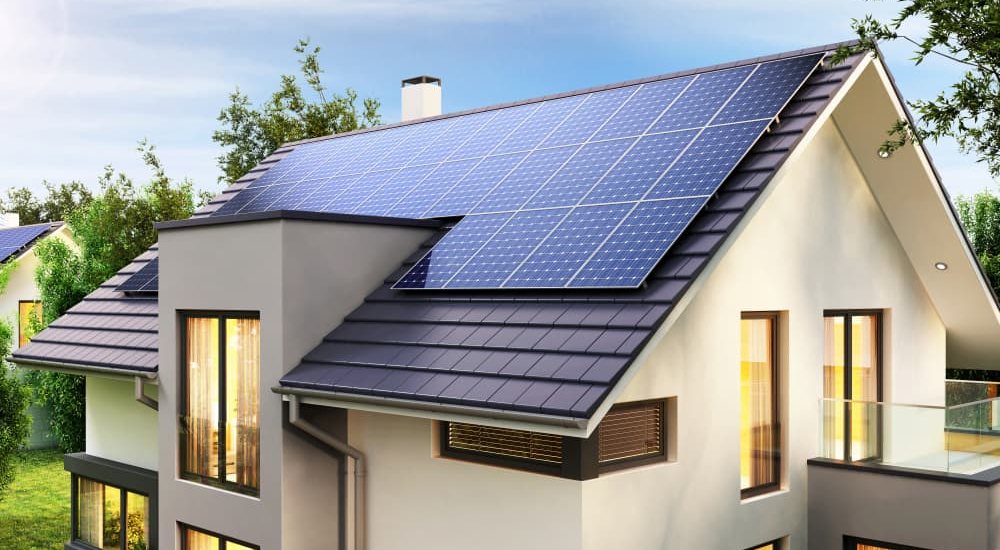
 

Home Solar Systems


4.Other influencing factors

Before actual installation, the following factors need to be considered:

Influencing factorsI llustrate
Roof area PV panels require about 6–8 square meters of space per kilowatt
Roof orientation South is the best direction, east/west is also acceptable, north is not recommended
Location The light resources in different regions vary greatly, which affects the power generation efficiency
Grid connection policy Some countries support the access of surplus electricity to the grid, which can provide subsidies and increase the return on investment
Energy storage system compatibility Ensure that the PV inverter matches the GreenMore energy storage system

5. How GreenMore can help you customize your solution

GreenMore provides one-stop home energy management services, covering:

  • Solar energy system capacity assessment and design
  • Energy storage system selection and configuration
  • Smart Energy Management System (EMS) deployment
  • International customer technical support and after-sales service

Our team of engineers can recommend the most suitable PV + energy storage combination solution for you based on your household electricity usage habits, geographical location and budget to ensure efficient system operation and maximize return on investment.


6.Conclusion

"How big a solar system do I need for my home?" The answer to this question depends on many factors, including your electricity usage habits, roof conditions, geographic location, and whether there is an energy storage system. Through scientific calculations and reasonable planning, you can accurately configure a photovoltaic system that can meet your daily electricity needs and save electricity bills.

GreenMore is committed to providing safe, intelligent and efficient home energy storage solutions to home users around the world. No matter where you are, we will provide you with professional product and service support to help you move towards a green energy life.

If you are planning a home photovoltaic project, please visit GreenMore's official website www.gmsolarkit.com to contact our international business team for free consultation and personalized solution recommendations.
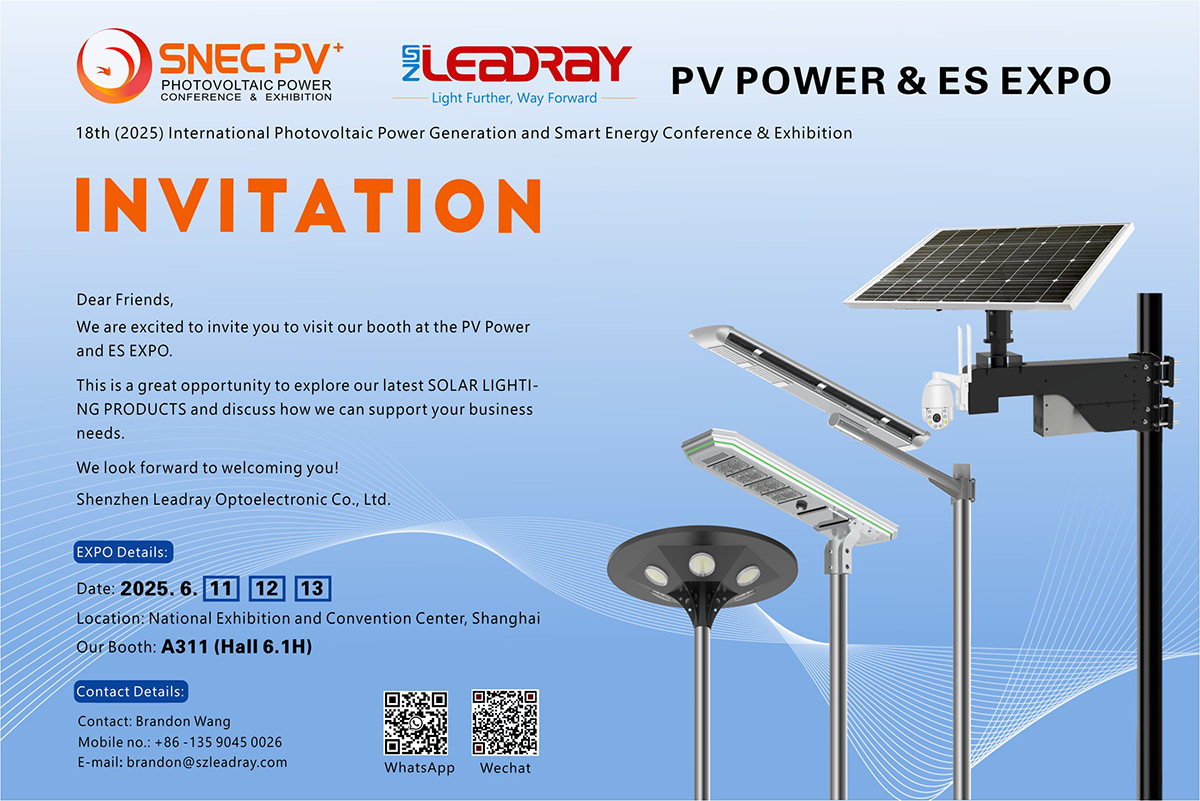
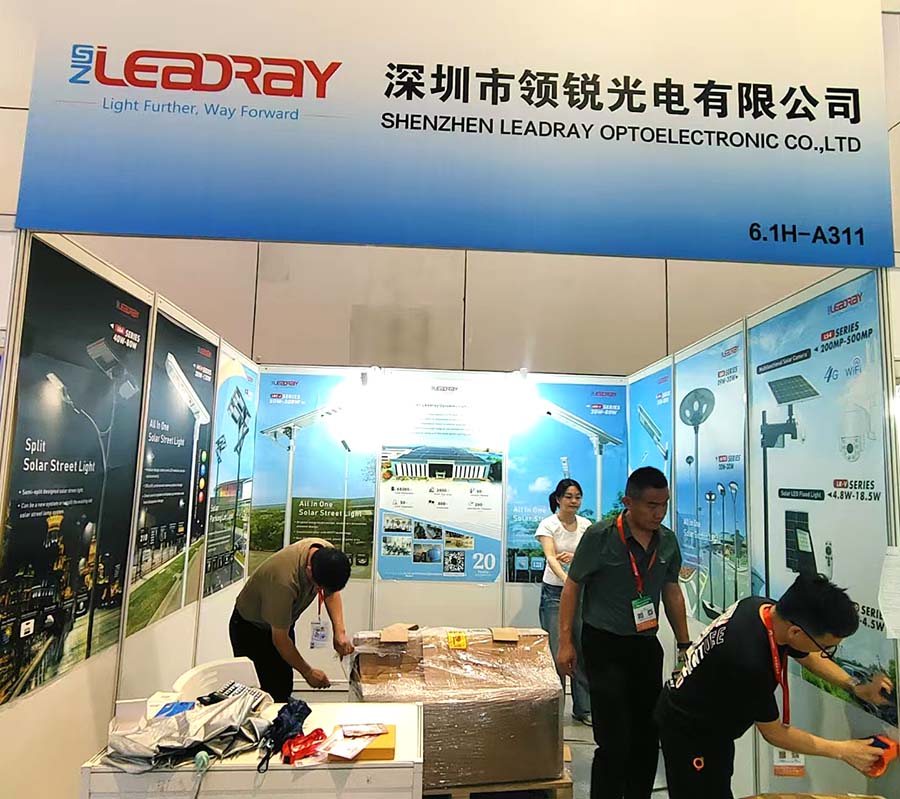
 

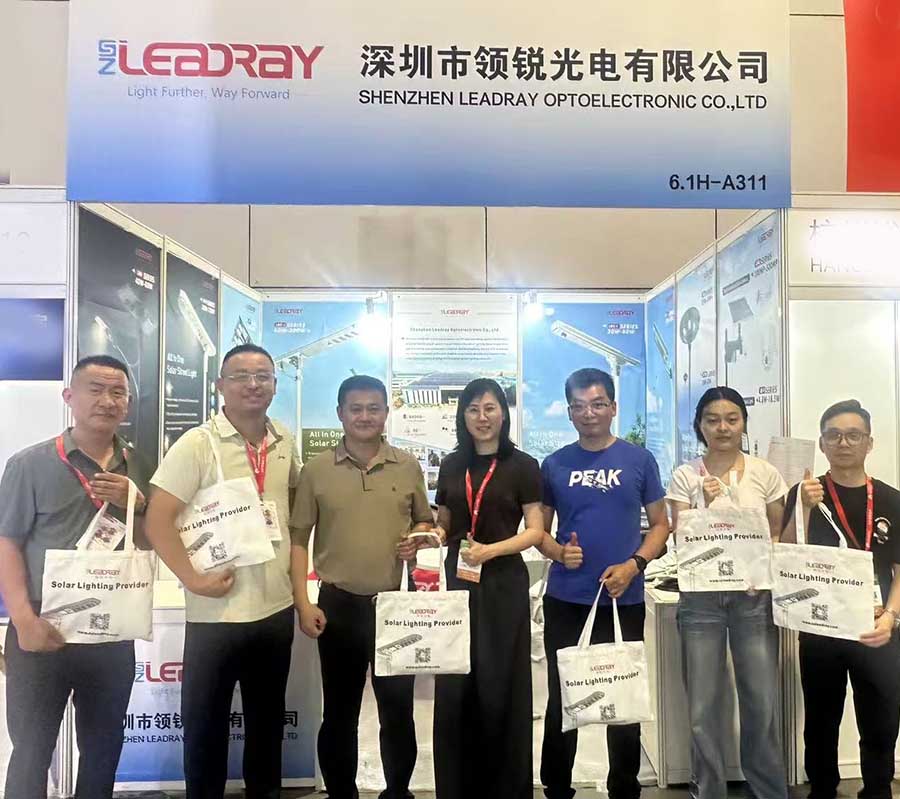
Invitation to attend the Shanghai Street Lighting Exhibition

18th (2025) International Photovoltaic Power Generation and Smart Energy Conference & Exhibition


Date: 2025.6.11-13
Location: National Exhibition and Convention Center, Shanghai
Our Booth: A311 (Hall 6.1 H)

E-mail: brandon@szleadray.com

Mobile no.:+86 -135 9045 0026


Dear Friends,
We are excited to invite you to visit our booth at the PV Power and ES EXPO.
This is a great opportunity to explore ourlatest SOLAR LIGHTING PRODUCTS and discuss how we can support your business needs.
We look forward to welcoming you! Shenzhen Leadray Optoelectronic Co., Ltd.


If you need to showcase your business or products, you can provide a brief introduction. I will assist in extracting the core selling points (such as engineering cases, technical advantages), and optimize the business communication language (such as emphasizing "energy saving rate" and "reduction of operation and maintenance costs" for municipal customers).


The Shanghai Street Lighting Exhibition, as a leading platform in the industry, invites you to attend the Shanghai Street Lighting Exhibition.


Shanghai Street Lighting Exhibition


Shanghai Street Lighting Exhibition


You can watch new energy storage technologies (such as the application of sodium-ion batteries in low-temperature environments), as well as the waterproof and wind-resistant standards for the integration of photovoltaic panels and lamp poles (such as the innovative structure of anti-tropical typhoon lamp poles in coastal areas).


We look forward to in-depth communication with you at the exhibition.


LEADRAY can jointly develop an exhibition roadmap based on your business needs (such as seeking lamp manufacturers, controller suppliers, or engineering partners), and conduct efficient visits to target booths, simultaneously recording the production capacity, qualifications, and past project cases of the suppliers.


If you have confirmed the exhibition date, we can further discuss the specific itinerary. I will dynamically optimize the strategy based on the real-time information of the exhibition (such as new exhibitors and forum guests) to help you efficiently obtain industry resources and technical insights. I look forward to in-depth communication with you at the exhibition and jointly exploring the innovative opportunities in the lighting industry!


How to Calculate Solar Panel Power of a Solar Power Generation Systems

The solar power generation system is composed of solar panels, charge controllers, inverters and batteries. In order to enable the solar power generation systems to provide sufficient power for the load, it is necessary to reasonably select each component according to the power of the electrical appliance.

Let's take 100W output power and use it for 6 hours a day as an example to introduce the calculation method.

1. First, calculate the watt-hour consumption per day (including the loss of the inverter). if the conversion efficiency of the inverter is 90%, then when the output power is 100W, the actual output power should be 100W/90 %=111W. if it is used for 5 hours a day, the output power is 111W*5 hours=555Wh.

2. Calculation of solar panels: According to the daily effective sunshine time of 6 hours, and considering the charging efficiency and the loss during the charging process, the output power of the solar panels should be 555Wh/6h/70%=130W. Among them, 70% is the actual power used by the solar panel during the charging process.

Nearly 40 GW of solar energy system will be installed in Europe by the end of 2022

According to SolarPower Europe (SPE), nearly 40GW of solar energy systems will be rolled out across Europe by the end of 2022, setting a new record for development installations, as the European continent races to develop renewable energy projects to escape the influence of Russian gas.

Following the Russian-Ukrainian war and the subsequent rise in energy prices, European governments have been working to accelerate the development of renewable energy as a means of reducing dependence on Russian energy imports.

The EU has published its latest EU solar strategy as part of the overall EU REPowerEU plan, which targets 400 GW of solar energy systems by 2025 and nearly 740 GW of solar PV by 2030.

If you are the solar energy system supplier, welcome to contact us for our product. Corigy provides high-quality and competitively priced products to suppliers.

What are the conditions for the roof to be suitable for installing solar energy system?

Solar energy system is a popular new way of generating electricity. With the shortage of coal resources, the use of new energy to replace old energy has become our new demand. Many areas have begun to install solar power system. So what are the conditions for the roof to be suitable for installing solar energy system?

1. There is an independent roof or the roof has a clear property right.

2. The roof has enough light. The power station is generally installed on the south-facing roof, so as to better ensure sufficient light every day. In addition, external obstacles such as trees, telephone poles, parapets, etc. will also affect the sunlight. These factors need to be taken into account.

3. The roof has enough area. The roof area is a relatively intuitive factor. A rough estimate is that the installation area of the 3KW system is about 22~35㎡, the 4KW system is about 30~50㎡, and the 5KW system is about 45~60㎡.

4. The roof has sufficient load-bearing capacity. The roof load-bearing problem must be considered in the early stage of the design of photovoltaic power plants.

What should you pay attention to when purchasing a solar inverter

First of all, before purchasing a solar inverter, you must consider whether the technical specifications of the inverter can meet the requirements of the photovoltaic power generation system, and fully consider important factors such as power, key technical indicators, and certification standards.


The second is that you need to pay attention to the brand of solar inverter and its after-sales service. The technical quality of the products produced by excellent brands is reliable and trustworthy.


Finally, pay attention to the differences in the working environment applicable to different models of solar inverter.

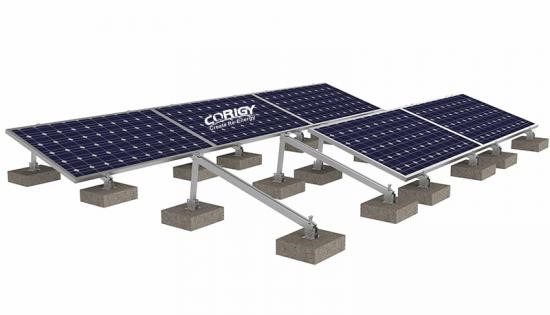
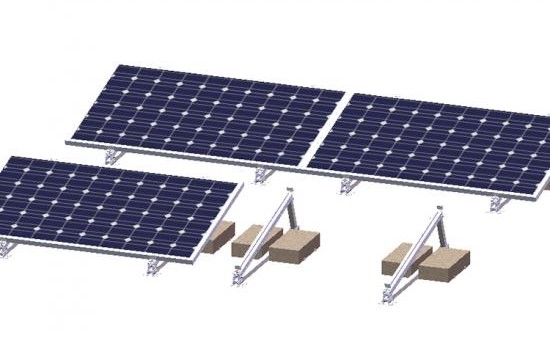
Solar Panel Mounting Brackets A Complete Guide (2025)

Your solar power system requires the proper support system of solar panel mounting brackets. The solar panels cannot maintain steady performance and stay safe without brackets. Being a homeowner, contractor, or business owner looking into solar, you need proper bracket selection to make your setup successful.

Our information explains essential features of solar panel brackets plus available setups while guiding you to select an ideal system.

What Are Solar Panel Mounting Brackets?


Solar panel mounting brackets connect solar panels to their installation areas, whether on rooftops, ground mounts, or poles for stability. Brackets support the solar panels by maintaining the proper angle position while they withstand wind force to secure your investment.

Good solar panel brackets improve system lifetime and boost its power generation performance. Poor hanging methods include putting solar panels in the wrong position and creating unreliable energy systems, plus expensive damage costs.

Types of Solar Panel Installation Brackets

Every building and weather environment requires its own unique solar panel bracket setup. The ideal bracket choice depends on the kind of roof you have, combined with local weather conditions and your panel angle and funding options.

1. Roof-Mounted Brackets

These solar panel installation brackets work best for home roofs with direct mounting to the building frame. Many people choose this option because they find the system affordable and it needs only a small area of land. Common types include:

  • Rail systems
  • Rail-less systems
  • Shared-rail systems

2. Ground-Mounted Brackets

Solar panels that need sunlight and space should instead be mounted on the ground. These allow for better cooling and easier maintenance.

3. Pole-Mounted Brackets

Pole mounts elevate the panels to create free air flow between them and help users position them at any angle. These structures work well in power systems that run without city power or in remote areas.

Why Mounting Brackets for Solar Panels Matter

Quality solar panels yield better results when installed appropriately.

1. Durability Against Harsh Conditions

Brackets that are made strong enough can protect panels against tough winds, snowy days and hot weather. Solar panel support systems need to be built to remain structurally strong throughout several decades of use.

2. Correct Tilt and Orientation

The panel tilt angle significantly affects the system's energy production. Solar panel brackets let you set the right angle for receiving sunlight in all seasons.

3. System Safety

Doubled solar panel brackets in improper installations create safety problems including, unhinged panels and roof leaking accidents. Top-quality brackets ensure no worries about your installation.

Features to Look for in Solar Panel Brackets Mountings


The buying process for solar mounting solutions easily overwhelms most customers. But here’s what really matters:

  • Material Quality: Choose solar mounting systems made from aluminum or stainless steel since they resist corrosion.
  • Wind/Snow Load Rating: Examine solar panel mounting accessibility before setting up your stand to match regional weather information.
  • Ease of Installation: Installing solar panel brackets differs between products that require no DIY expertise and those that need professional setup.
  • Compatibility: Your mounting system needs to match your panel size, layout and fixable area.
  • Adjustability: Solar panel holders that change their angle let devices catch more sunlight during all season changes.

Comparing the Best Solar Panel Brackets on the Market

In your search for many different brand choices, you must carefully evaluate them. Focus on purchasing bracket systems with international test results that come with warranty protection.

During research, enter these specific search terms into your search engine.

  • “Best solar panel installation brackets for tile roofs”
  • “Durable mounting brackets for solar panels in coastal regions”
  • “Adjustable solar panel brackets mountings for seasonal changes”
The installation of the right brackets builds solar panel efficiency and extends its useful lifetime.

Installing Solar Panel Mounting Brackets: DIY or Professional?

People who enjoy home projects often build solar panels but choosing professional or DIY installation brings different benefits and disadvantages.


DIY Installation

The system includes all needed hardware and installation steps for someone who feels comfortable working on rooftops. Follow all required safe practices when doing this task.


Professional Installation

Professional services prevent solar panel bracket installation errors on the first try. Having experts install your brackets will protect you from problems that could arise later.


Need Help Choosing the Right Brackets?

Contact an expert or visit trusted review sites to choose solar panel brackets that meet your needs effectively. You need to install the solar panels correctly to match panel selection efforts.