About CNC Machining

What is CNC machining?

CNC stands for Computer Numerical Control, so CNC machining can be defined as a manufacturing process where a computational code controls the parameters of the process, including:

  • Movement of the machine tool head.
  • Movement of the part or feed.
  • Rotational speed.
  • Tool selection, for multi-tool heads.
  • Amount of coolant if needed.

In simple words, it means using computational power to control and monitor all the necessary movements of a machine to manufacture parts out of raw material.

How does CNC machining work?

Basically, the CNC program provides commands that the machine can read and understand. These commands tell the motors of the machine when and how to move the corresponding components to achieve the desired results.

The first CNC machines used punch cards with the written code and had limited flexibility for the movement of the tool.

However, current CNC machines can be associated with CAD/CAM software (Computer Aided Design/Computer Aided Manufacturing). This means that the designer can create a 3D model of the part and then translate the parameters of the part into a CNC program by means of the CAM software.

This final program, created by the CAM software, is fed into the machine and the manufacturing process begins. The part is finished when the machine finishes running the program.

Another important aspect of the current and the most sophisticated CNC machines is the flexibility they have, since they can move in a range of 2.5 axes, 3 axes or 5 axes depending on the type of machine.

CNC machining for wood
While many might think that wood working is an art for only the most skilled carvers, the truth is that CNC machining for wood allows for a more efficient work. Even for the most complex designs.

With CNC machining for wood is possible to produce larger parts in a shorter time. It also allows the woodworker to keep the natural beauty and strength of the wood used intact, something difficult to achieve with other type of machines for processing wood.

Other benefits from using CNC machining for wood are:

  • Complex shapes that are too difficult for manual work can be achieved easily.
  • Higher precision and shorter production times.
  • Higher efficiency and reduced material waste.
  • Increased profitability.

CNC machining for medical industry
It is well known that the medical industry is a very demanding one with all the standards that must be met. This is the case of CNC machining for medical industry.

Fortunately, as it was mentioned above, the main benefits of CNC machining are high efficiency and high accuracy that leave almost no room for error.

This makes CNC machining for medical industry the best manufacturing option in the sector, being precision machining the chosen alternative to meet the tight tolerance requirements. Other common requirements include:

  • Complex geometries that usually require 5-axis machines.
  • Very high levels of cleanliness.
  • Possibility of machining different special materials.
  • Top-level surface finish.

Common applications of CNC machining for medical industry include:

  • Implants and prosthetics.
  • Surgical instruments.
  • Electronic components for medical equipment.
  • Micro medical devices which require micromachining.

CNC machining for casting
Casting is a manufacturing process that depends of good molds to obtain desired results. This means that it is necessary to select the best process to produce the molds.

CNC machining for casting in 5-axis machines reduces the chance of error due to having to move the casting between machining operations. This error reduction allows for the casting to meet the tightest of tolerances.

Another good application of CNC machining for casting is that most castings require a post processing to improve surface finish. CNC machining for casting allows to achieve the surface finish desired in a quick and efficient way.

Moreover, CNC machining can deal with the type of materials commonly used for castings such as aluminum, which can be a problem for other manufacturing problems.

CNC machining for aluminum

Being a lightweight metal, aluminum is the preferred material for many applications, being automotive and aerospace the top users. However, its use in some of these applications requires very complex shapes.

Moreover, thin parts may be required, which increases the possibility of deformation due to the low hardness and high thermal expansion of the material.

Here’s where CNC machining for aluminum becomes important. 5-axis CNC machining for aluminum provides benefits such as:

  • It is simple to set up, which reduces lead times and improves the efficiency
  • It allows to work with complex geometry thanks to the ability of avoiding collision with the tool holder while tilting the wok table or the cutting tool.
  • It can use shorter tools that are more rigid, some with high spindle speed rates which is achieved by reducing the load on the cutting tool.
  • The parts don’t have to go through different workstations, meaning that the errors are reduced, the accuracy is increased, and the quality is ensured.
  • These machines can use other alternatives such as water jet cutting or laser cutting which eliminate the problems of working with very thin aluminum pieces.

CNC machining for aerospace parts

With the number of components needed to assemble an aircraft, and the complexity of such components, it is clear that the aerospace industry requires the highest precision and efficiency possible out of a manufacturing process.

Therefore, CNC machining for aerospace parts has grown in popularity, and it is now the go-to option for aerospace components manufacturing.

CNC machining for aerospace parts needs to deal with complex requirements such as:

  • Working with thin walls.
  • Limiting material deformation, for example, when working with aluminum and other lightweight materials.
  • Working with curved and complex geometries.

On the other side, CNC machining is the best option for aerospace parts production as it provides the following benefits:

  • It is a cost-effective process.
  • It can provide high-quality results.
  • It can work with custom designs.
  • It provides high accuracy and precision engineering.
  • It reduces and sometimes eliminates human error.
  • It can produce complex geometries.

CNC machining for jewelry

In the past, jewels were only made by hand by fine artisans. However, it is not the case anymore, as more and more jewel producers are implementing methods to improve their efficiency and increase their profitability.

There are different ways CNC machining for jewelry help artisans and jewel producers in general. The most common benefits found are:

  • Easily create master models for casting the jewels.
  • Quickly create casting molds with high accuracy.
  • Create fine end-use jewels when using sophisticated CNC machines.
  • Quickly and accurately create custom engravings.
  • Easily finishing the jewels with marble faceting and jewel polishing processes.

CNC machining tolerances

It is true that kesomachining CNC machining has taken manufacturing accuracy to very high levels. However, as it happens with other manufacturing process, the dimensions of the end product are never perfect. And here is where CNC machining tolerances play an important role.

We have to remember that tolerances represent the maximum allowed variation for the same dimensions of two parts from the same series. They are usually set in the design phase.

There are different aspects to be considered when setting the tolerances required:

  • Mating components.
  • Type of materials.
  • Manufacturing processes available.
  • Tighter tolerances are usually more expensive to achieve.

Tolerances are usually classified according to how tight they are in the following groups:

  • Fine tolerances.
  • Medium tolerances.
  • Coarse tolerances.
  • Very coarse tolerances.

In general, the limits for each group are set based on International Standards, including ANSI B4.1, ANSI B4.2, ISO 286, ISO 1829, ISO 2768, EN 20286 and JIS B 0401.

For CNC machining tolerances, the standard limits are in the range of ± 0.005″ or 0.13mm. However, some very sophisticated services claim they can provide CNC machining tolerances as tight as ±0.0025mm.

Here are some standard CNC machining tolerances depending on the CNC process:

  • Lathe — ±0.005″ (0.13mm)
  • Router — ± 0.005″ (0.13mm)
  • 3-Axis Milling — ± 0.005″ (0.13mm)
  • 5-Axis Milling — ± 0.005″ (0.13mm)
  • Engraving — ± 0.005″ (0.13mm)
  • Flatness — ± 0.010″ (0.25mm)


What Plastic Can Be Molded Into a Shape?

Plastic is one of the most versatile materials used in modern manufacturing. Thanks to advancements in plastic injection molding, industries can transform raw plastics into intricate, durable, and functional shapes for a wide range of applications. This manufacturing method has become indispensable for various sectors, especially in automotive plastic injection tooling and custom plastic injection molding.

Types of Plastics Suitable for Molding
The process of plastic molding involves heating plastic materials until they are malleable and then shaping them into desired forms using molds. Not all plastics are ideal for this process, but several types have proven to work exceptionally well:

1. Thermoplastics
Thermoplastics are widely used in plastic injection molding China due to their reusability and flexibility. These plastics can be reheated and reshaped multiple times, making them ideal for cost-effective manufacturing. Common thermoplastics include:
Polypropylene (PP): Known for its durability, chemical resistance, and versatility, PP is used in everything from automotive components to household goods.
Acrylonitrile Butadiene Styrene (ABS): ABS is popular for its strength and impact resistance, making it a go-to material for automotive parts and electronic housings.

Polycarbonate (PC): PC is valued for its transparency and toughness, often used in safety equipment and optical applications.


2. Thermosetting Plastics
Unlike thermoplastics, thermosetting plastics harden permanently after being molded. These plastics are heat-resistant and incredibly durable, making them suitable for specialized applications like automotive plastic injection molding. Common examples include:
Epoxy: Frequently used in electrical components and adhesives.

Phenolic Resins: Known for their strength and ability to withstand extreme heat, they are often found in automotive and aerospace industries.


Benefits of Plastic Injection Molding
The ability to mold plastics into precise shapes has revolutionized manufacturing. Businesses in plastic injection molding China leverage this technique to produce high-quality parts with remarkable consistency. The advantages include:
Scalability: Injection molding is perfect for mass production, enabling manufacturers to produce thousands of identical parts efficiently.
Customization: Through custom plastic injection molding, businesses can create products tailored to specific needs, whether for medical devices, automotive parts, or consumer goods.

Cost-Effectiveness: By using reusable molds and optimizing production processes, manufacturers can keep costs low while maintaining high quality.


Application in the Automotive Industry
The automotive sector is a prime example of how plastic injection molding has transformed manufacturing. Through automotive plastic injection tooling, companies can produce lightweight yet durable components, including dashboards, bumpers, and engine covers. These plastic parts not only reduce the overall weight of vehicles but also enhance fuel efficiency and design flexibility.
Moreover, automotive plastic injection molding ensures that these components meet strict safety and performance standards. With advancements in mold technology, manufacturers can now achieve even greater precision and durability in their automotive applications.

The Future of Plastic Molding
With ongoing innovation in materials and techniques, plastic injection molding continues to evolve. Eco-friendly plastics and recyclable materials are becoming more prominent, helping manufacturers reduce their environmental impact. Businesses in plastic injection molding China are also adopting cutting-edge technologies, such as 3D-printed molds and automation, to increase efficiency and sustainability.

From consumer goods to automotive parts, the ability to mold plastics into almost any shape has paved the way for endless possibilities. As industries demand more tailored and efficient solutions, custom kenmold plastic injection molding will remain a cornerstone of modern manufacturing, delivering quality, precision, and innovation.


Advantages of the Color Steel Tile Roof Support System

1. Superior Load-Bearing Performance:

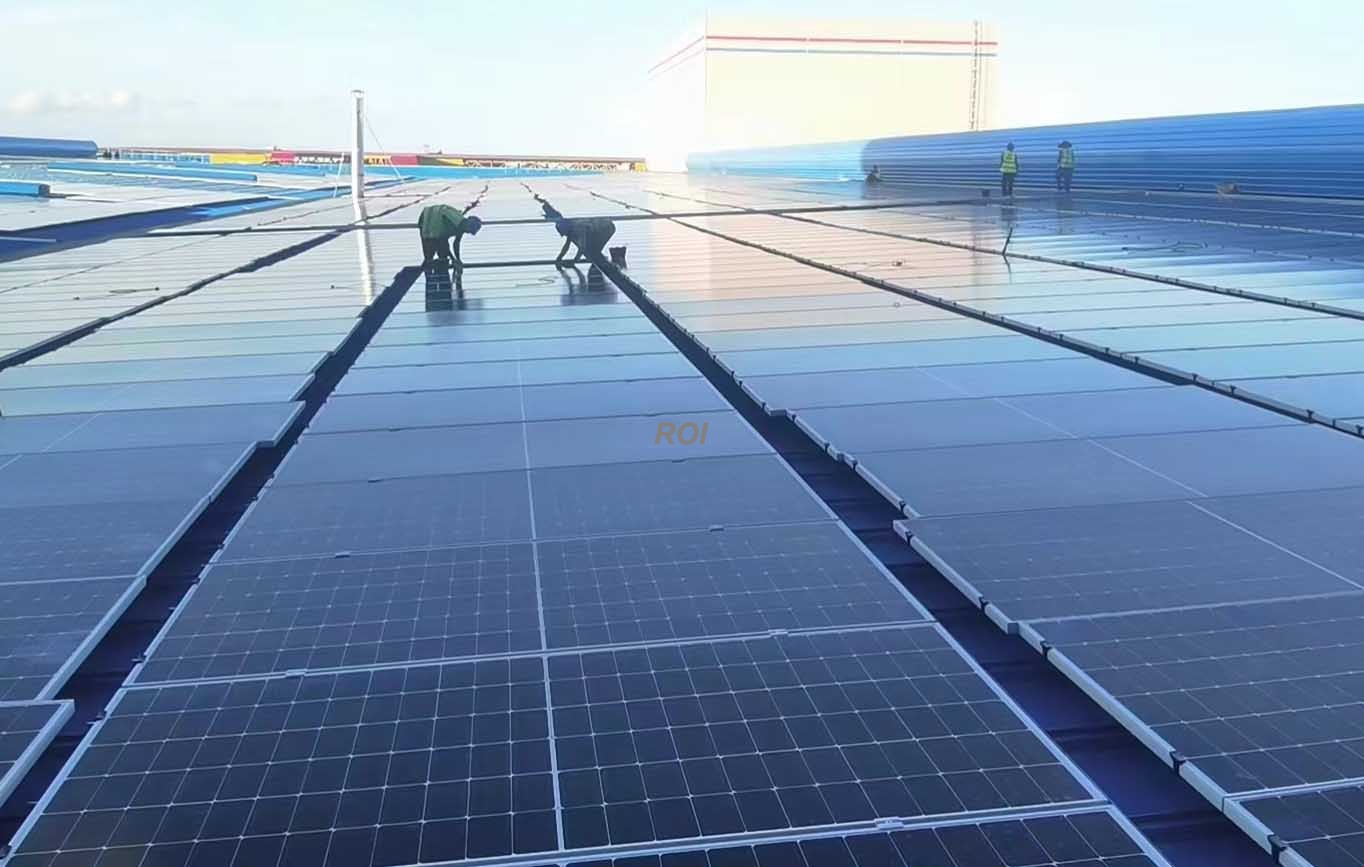
The color steel tile roof support system of the solar panels standing seam metal roof is meticulously designed and calculated to withstand various forces, including the self-weight of the roof, wind and snow loads, and loads from personnel maintenance.

High-strength steel and a rational structural form ensure that the roof remains stable even under extreme weather conditions, providing reliable safety protection for the people and equipment inside the building.​

2. Outstanding Wind Resistance:

In coastal areas or windy regions, wind resistance is a crucial indicator for measuring the safety of roof structures.

The color steel tile roof support system for the pv panel mounting system effectively enhances the roof’s wind resistance through optimized support layouts and reliable connection methods.

Specialized wind-resistant clips and connectors can firmly secure the color steel tiles, reducing the damage caused by wind suction and minimizing the risk of the roof being lifted off.

3. Convenient Installation and Maintenance:

The prefabricated color steel tile roof support system for the mounting solar panels on a metal roof adopts standardized components and modular design, making the installation process as simple as building blocks.

Construction workers only need to assemble the components according to the design drawings using specialized tools, without the need for complex construction equipment or advanced construction techniques.

This not only improves construction efficiency but also reduces safety risks during construction.

Moreover, since each component of the support system is relatively independent, it is convenient to replace damaged or aged components during later maintenance and inspection.​

      Good Economic Efficiency:

In the long run, the color steel tile roof support system of the mounting systems solar offers high cost-effectiveness.

Although its initial investment may be slightly higher than some traditional roof support structures, its long service life, low maintenance costs, and fast construction speed can effectively reduce the full life cycle cost of the building.

Meanwhile, the lightweight nature of the color steel tile roof also reduces the load on the building foundation, further cutting down construction costs.


Design Key Points of the Color Steel Tile Roof Support System

1. Load Calculation

Accurate load calculation for the carport solar mounting system is the foundation of designing the color steel tile roof support system.

Designers need to comprehensively consider various factors, including the dead load of the roof (self-weight of color steel tiles, insulation layers, waterproof layers, etc.), live load (temporary loads from personnel and equipment), wind load, and snow load.

During the calculation process, national relevant building codes and standards should be strictly followed, and load values should be reasonably determined based on local meteorological conditions and the building’s usage function to ensure that the support system has sufficient safety margins.​


2. Material Selection

The material quality of the support solar carport mounting system directly affects its performance and service life. Steel, and aluminum solar carport as the main material, should be high-quality steel that meets national standards to ensure its strength, toughness, and corrosion resistance.

Common steel grades include Q235, Q345,etc., and different grades are suitable for various load conditions and environmental conditions.

In addition, surface treatment processes such as hot-dip galvanizing and anti-corrosion coating spraying can be used to improve the corrosion resistance of the support system and extend its service life in harsh environments.


Structural Design

A reasonable structural design is the key to ensuring the stability and reliability of the color steel tile roof support system.

During the design process, the layout and form of the supports should be optimized according to factors such as the roof slope, span, and load distribution.

For large-span roofs, spatial truss structures or additional bracing systems can be adopted to enhance the spatial rigidity of the structure.

For roofs with a large slope, the connection between the supports and the color steel tiles needs to be strengthened to prevent the tiles from sliding.

At the same time, the connection method between the support system of the solar carport racking and the main building structure should also be considered to ensure that the loads can be effectively transferred to the building foundation.


How Long Do Solar Roof Mounts Last and What Maintenance Is Required?

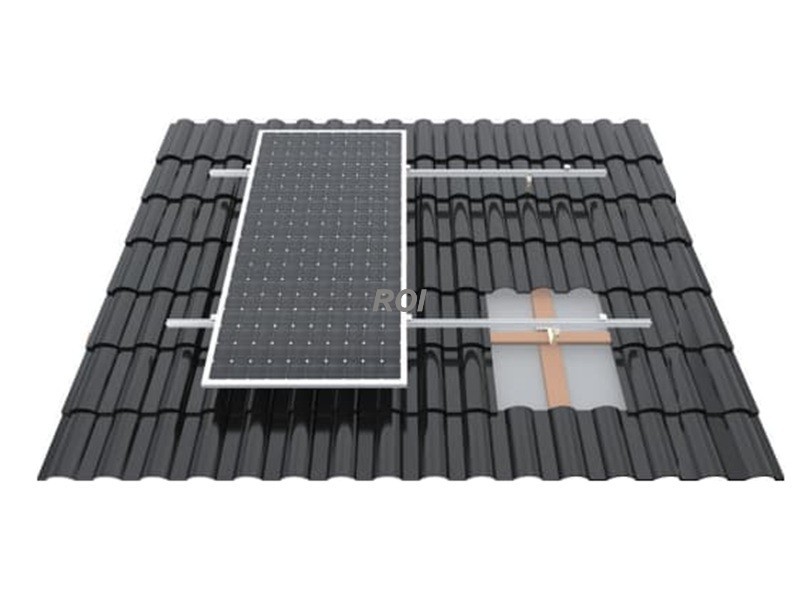
When people think about going solar, they usually picture shiny panels soaking up the sun on a rooftop. But there's a less glamorous hero holding it all together: the solar panel roof mounts. It's not flashy, but it's the backbone of the whole operation. And just like any structure exposed to the elements, it brings up two important questions: how long will it last, and what kind of maintenance does it need?


They’re Built to Stick Around – But for How Long?

A well-made solar mounting system, especially one built from high-grade aluminum or stainless steel, can easily last 25 to 30 years, sometimes even longer. In most cases, they’re designed to outlast the solar panels themselves. That said, the real answer is: it depends.


For example, I once visited a site in coastal Florida where salty sea air had started corroding a cheaper steel mount within ten years. On the other hand, a house up in dry Arizona still had perfectly solid mounts after nearly three decades. Environment plays a huge role.


Here are a few things that can influence the lifespan:

Material matters – Aluminum alloys resist corrosion better than standard steel.

Climate counts – If you live in a high-humidity or snow-heavy zone, your mounts take more abuse.

Roof type – A solid concrete roof? Great. Brittle old shingles? Not so great.

Installation quality – This one’s big. A rushed job can create water leaks or structural issues that shorten the life of the entire system.


Do I Need to Maintain My Solar Mounts?

Short answer: a little goes a long way.

They don’t need much, but ignoring them entirely? That’s where problems start. You don't need to climb up there every month, but a yearly or bi-yearly checkup—even just from the ground or using a drone—is smart.


Here’s what to look out for:

Loose bolts or shifting panels – Winds can cause micro-movements over time.

Rust or corrosion – Especially in humid or coastal areas.

Water intrusion – Look inside your attic or ceiling for any signs of leaks near where the mounts penetrate the roof.

Debris buildup – Leaves, dust, and bird nests love to settle near roof brackets.


If you’re unsure, having a solar technician take a look every few years is money well spent. I've seen homeowners save thousands just by catching a loose fastener before it caused bigger roof damage.


Will I Need to Replace Them?

In most cases, you won’t need to touch your mounts when it’s time to replace the panels—unless they’re damaged or incompatible with your new setup. But if you're also redoing your roof, or if the mounts look aged or show clear signs of stress, it may be worth swapping them out too.


There’s no hard rule, but think of it like replacing the soles of your shoes. If the bottom is worn out but the top still looks good, it might still be time for a change.


To sum it all up: solar roof mounts are the quiet workhorses of your solar setup. They're built tough, and with even just a little attention every now and then, they’ll do their job without complaint for decades.

Solar Roof Mounts

Unveiling the Color Steel Tile Roof Support System A Comprehensive Analysis from Structure to Application

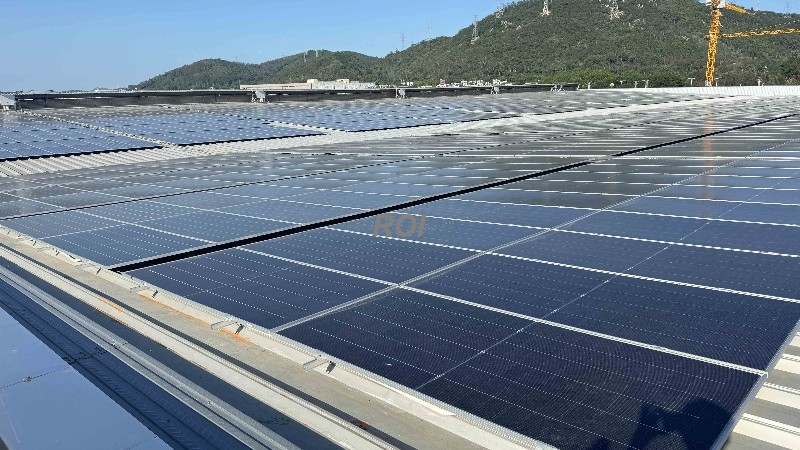
In the realm of modern architecture, roof rack solar panel for color steel tiles have emerged as a popular choice for the roofs of numerous industrial plants, warehouses, and residential buildings, owing to their lightweight nature, aesthetic appeal, and construction convenience.

The color steel tile roof support system, which underpins this “steel exterior,” acts as an invisible guardian of the building’s roof, silently fulfilling crucial roles such as providing stability, bearing loads, and resisting wind forces.

Today, let’s take an in-depth look at this indispensable component of building structures.​


I. Composition and Classification of the Color Steel Tile Roof Support System​

The color steel tile roof support system of  the mounting solar panels is not a single component but an organic whole in which multiple parts work in harmony.

Its core components include main supports, secondary supports, connectors, and fasteners.

The main supports, often made of high-strength steel, serve as the “backbone” of the entire system, primarily responsible for bearing the vertical and horizontal loads of the roof. Secondary supports, similar to “ribs,” cooperate with the main supports to further refine the load transfer path and provide a stable installation surface for the color steel tiles.

Despite their small size, connectors and fasteners play a pivotal “binding” role, firmly connecting each support component to ensure the integrity and stability of the system.​


Based on different application scenarios and design requirements, the color steel tile roof support system of the flat roof pv panels can be classified in various ways.

From the perspective of structural forms, it can be divided into the planar support system and the spatial truss support system.

The planar support system, with its relatively simple structure, is suitable for roofs with a small slope and low load requirements.

In contrast, the spatial truss support system, thanks to its three-dimensional structure, offers greater load-bearing capacity and stability, making it commonly used in buildings with high structural requirements, such as large industrial plants and stadiums.

Additionally, according to different installation methods of the mounting solar panels on roof , it can be categorized into the welded support system and the prefabricated support system.

The welded support system features high connection strength but involves a relatively complex construction process and strict requirements for welding techniques.

The prefabricated support system, on the other hand, has gradually become the market mainstream due to its modular design and easy installation, significantly shortening the construction period and reducing labor costs.​


How to Install a Solar Fence System Step-by-Step Guide for Beginners

The use of a solar fence system has been one of the most effective means of ensuring security to property and will save a lot of electricity. Solar fences are an intelligent and eco-friendly solution, whether they are used in farms, residential areas or industrial areas.

But if you are new and you do not know where to begin do not worry. This step adieu will take you through the whole process of installation step by step, starting with the preparation down to the setup. And yes, you do not have to be tech savvy to do it right.

What Is a Solar Fence?

A solar fence is also an electric fence which is powered by solar. It is made of solar panels, fencing wires, an energizer and grounding rods. The usage of these fences is very common in agricultural farms, military areas, and residential properties to stop any intrusion.

These systems are also suitable in areas with poor sources of power mainly in remote locations due to the source of power which is solar.

Why Choose a Solar Fence?

It is better to understand why a solar fence is a preferred choice to get into the installation:

  • Environmental: Exploits renewable source energy (sun).
  • Low Maintenance: Less parts, less trouble.
  • Cost-Effective: The costs of running the system is cheap once installed.
  • Can be relied upon: Performs even at the off-grid sites.
  • Modifiable: It can be modified according to the various terrains and its uses.

Firms such as Corigy have made the mounting part very easy, especially since it provides trustworthy vertical mounting brackets to effectively install solar fencing structures. These also are easy to align and they perform well hence the installation is made very easy.

Tools and Materials You Will Need

Before beginning, make sure you have the following:

  • Solar panel (preferably bifacial)
  • Fence energizer
  • Battery (12V or more)
  • Fencing wire (steel or polywire)
  • Fence posts (metal or plastic)
  • Grounding rod and clamps
  • Warning signage (as per local regulations)
  • Wire tighteners
  • Multimeter (to test voltage)
  • Corigy 's vertical mounting bracket (if you are using bifacial panels)

Step 1: Choose the Location

Start by selecting a suitable site for installation. Look for:

  • Best Sunlight Exposure: An all-day exposure to the sun should be given to the solar panel.
  • Flat Ground or Mellow Slope: More comfortable in the matters of wiring and the panel attachment.
  • Security and Visibility: To achieve good security, it is advisable not to locate in shaded and dark places.

This location will become the control hub for your solar fence system.

Step 2: Plan the Layout

Sketch the fence route before installing the posts. Decide:

  • Total length of fencing required
  • Number of corners and turns
  • Placement of the solar panel and energizer

Make sure the layout accounts for gates or entry points.

Pro Tip: Always keep the energizer in the center of the fence route for balanced energy distribution.

Step 3: Install Fence Posts

Using a post driver or digging tool, fix the fence posts along the marked path.

  • Maintain consistent spacing (8–12 feet between each post)
  • For corners, use stronger or wooden posts
  • Make sure all posts are vertically aligned

Once the posts are in place, you're ready to string the wires.

Step 4: Mount the Solar Panel

This is where things can be simplified using a bifacial solar panel with vertical mounting brackets. Corigy offers a durable solar fence vertical mounting solution that ensures firm placement of your panels with minimal tools.

The process is straightforward:

  • Fix the vertical mounting bracket to the fence post
  • Attach the bifacial panel to the bracket
  • Angle it in the correct angle (about 30 to 45).

Make sure the panel is turned as per the sun and that it is tightly connected so that it does not wobble on shaking wind.

Step 5: Connect the Battery and Energizer

When the panel is secured, what you need to connect it to next is a deep-cycle battery, and this is where solar energy is stored to be used at night or during cloudy days.

Steps:

  1. Hook up the two positive and negative cables of the solar panel with the battery.
  2. Place the energizer near the battery.
  3. Connect the energizer to the battery.
  4. Connect the energizer output to the fencing wire.

To prevent the waste of energy, use quality connectors. It is also best to protect the battery and energizer with rain and direct sun.

Step 6: Lay the Fencing Wire

Now comes the physical fence. Begin to coil the wire around the post starting in one corner and continuing in a round way.

  • Use wire tighteners to keep tension even
  • Add insulators to prevent wire contact with posts
  • Place warning signs along the perimeter if required by law

Always leave some slack at the end so you can connect it to the energizer later.

Step 7: Ground the System

Grounding ensures the fence delivers an effective jolt when touched. It's crucial for the system's performance.

Steps:

  1. Drive at least one grounding rod 4–6 feet deep into moist soil.
  2. Connect it to the energizer's ground terminal using a ground clamp.
  3. If the soil is dry, install multiple rods spaced 10 feet apart.

A poorly grounded system will result in weak shocks or system failure.

Step 8: Final Wiring and Connection

Now, connect the fencing wire to the energizer's hot terminal. Make sure:

  • The connection is tight
  • No wire is in contact with vegetation (it reduces voltage)
  • The voltage is tested using a multimeter

A properly working solar fence should read around 3,000–5,000 volts on a meter.

Step 9: Testing the System

Walk around the perimeter and use a fence tester to check voltage at multiple points.

  • Check for weak spots or shorts
  • Tighten any loose wires
  • Make adjustments where needed

Make sure the system is active both day and night. The battery should be charged and the energizer working consistently.

Step 10: Maintenance Tips

Solar fences need very little upkeep, but regular checks will ensure peak performance:

  • Clean solar panels monthly to remove dust
  • Trim vegetation near the fence
  • Check voltage levels weekly
  • Inspect for rust or corrosion on wires and posts

Corigy 's mounting brackets are corrosion-resistant, which helps reduce long-term maintenance.

Common Mistakes to Avoid

Even though the installation is simple, there are mistakes beginners often make:

  • Installing the panel in a shaded area
  • Using low-quality fencing wires
  • Skipping the grounding system
  • Letting vegetation touch the live wires
  • Overlooking the panel tilt and alignment

Avoiding these can save time and extend the life of your fence system.

Final Thoughts

It is not necessary to make installing a solar fence complicated. When done properly with appropriate tools and recommendations it can be a painless procedure that is cost effective and provides good security. By selecting dependable parts such as vertical mounting brackets made by Corigy you will create a system that will out last and operate reliably under all conditions.

Solar fence is a long-term and cost-effective investment, whether you are setting up the system as a new one or merely upgrading it.

So take the leap, go solar—and build your fence the smart way.


Solar Panel Parking Lots Boost Energy & Save Space

Parking lots have always served useful purposes, but soon these will go another notch by being better sources of energy. As sustainability becomes a bigger focus across industries, solar panel parking lots are emerging as a smart, space-saving way to reduce costs and support clean energy goals.

Such systems (for the professionals of the construction, planning, and commercial real estate sectors) give an opportunity to achieve the energy objectives without compromising functionality. As a matter of fact, they perform more using less—creating electricity along with enhancing daily usability.


What Are Solar Panel Parking Lots, and Why Are They Important?

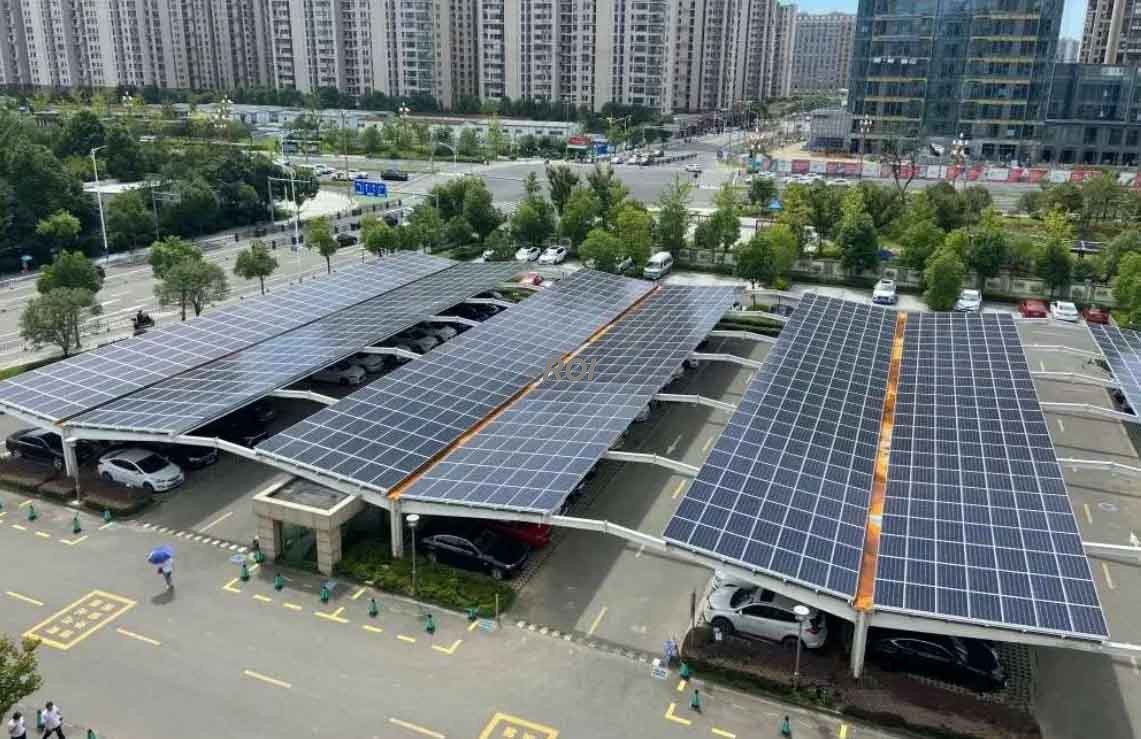
A solar panel parking lot is simply what is implied by having a regular parking lot and fitting it with solar panels in the air. To make these panels, they are mounted on high frames made out of steel or aluminium and, in most cases, cantilevered to shade vehicles and harness clean energy in the form of sunlight simultaneously.

They are space efficient, especially in the urban setup where land area is scarce. They can convert the current infrastructure owned by property owners to become energy-generating systems instead of erecting massive and distant solar farms.

Key Benefits of Solar Panel Parking Lots

Dual-purpose design

Such systems have two functions. They help cars to be cooler since they create a shade, and they also make electricity during the day in a silent manner. Those twofold advantages tend to turn them into perfect locations for shopping centres, office parks, or campuses.

Low energy expenses

The electric-generated solar power can be consumed at the same place directly as light or air conditioning or alternatively offset a section of the power demand of a building. That makes a proper saving on utility bills in the long run.

Environmental impact

Transformation to solar involves an implication of the reduction of fossil fuels. By using solar panel parking lots, companies can reduce their carbon footprint and take meaningful steps toward climate commitments.

Enhanced user experience

Nobody enjoys getting into a car that’s been baking in the sun. With covered parking, these systems improve comfort for drivers while also protecting vehicles from weather damage.

Incentives and tax credits

The solar projects enjoy tax breaks or rebates from the government in most areas. To the business, it is an even greater advantage to the initial investment project in the long-term sense.

Supporting ESG and Corporate Sustainability

Environmental goals aren’t just about good PR anymore. Investors, regulators, and even customers now expect companies to take real action. That’s why solar investments are becoming a go-to strategy for meeting ESG (Environmental, Social, Governance) goals.

Solar panel parking lots are highly visible and highly effective. These things are symbols of improvement, accountability, and resourcefulness, something worthwhile in the contemporary business world.

Where Are Solar Panel Parking Lots Being Used?

These systems are incredibly versatile. We’re seeing them in:

  • Corporate campuses, where they help reduce energy bills and improve the employee experience
  • Retail spaces, where shoppers enjoy shaded parking while stores benefit from clean power
  • Hospitals, where consistent energy supply is critical
  • University campuses, where solar parking becomes both a power source and a teaching tool
  • Government properties, where renewable energy mandates are driving infrastructure upgrades

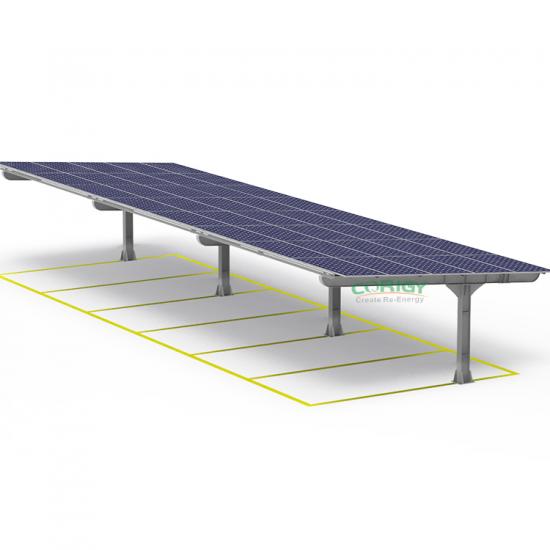
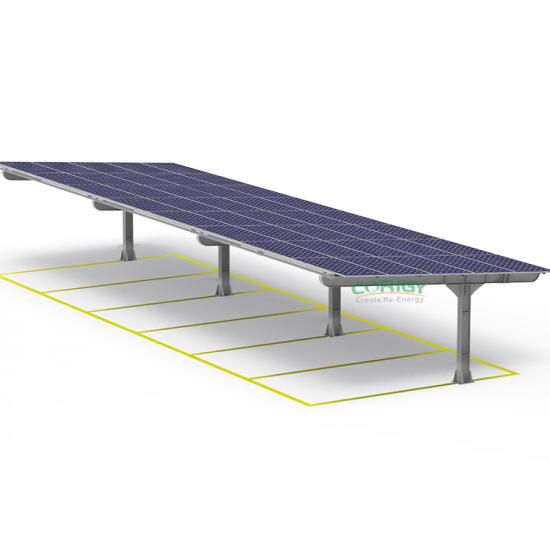
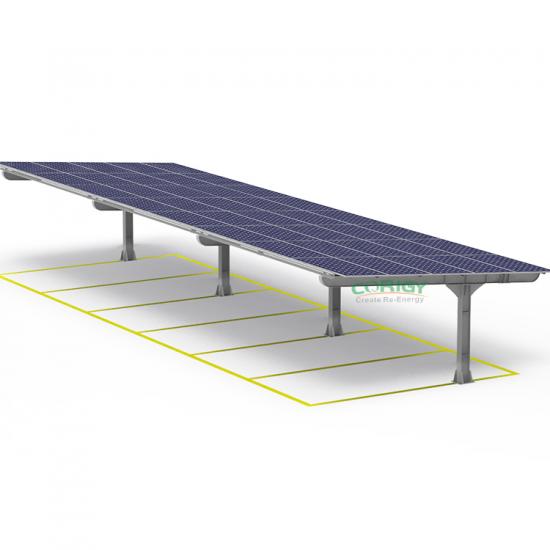
Corigy has become a trusted name in this space, offering customisable systems like their six-vehicle cantilever structure. It’s a strong, efficient, and easy-to-install solution for a wide range of facilities.

Interventions to the Challenges

Like any smart investment, solar panel parking lots come with considerations:

  1. The first question is the cost upfront. Although such systems are not inexpensive, their long-term savings and the incentives inherent therein tend to level the balance within a few years.
  2. Readiness of sites is an issue, too. Some places might need to test their soil or load check prior to installation.
  3. Zoning and permits may be time-consuming, particularly in areas that have stringent building regulations. This is why project partners will need to be experienced.
  4. It does not require much maintenance, nevertheless. Panels must be clean and checked regularly in order to give optimised performance.
  5. Most of these worries are quite easy to address with a proper team and planning in place; after all, the payoff is long-term.

Why Cities Are Turning to Solar Panel Parking Lots

Urban areas are under pressure to meet clean energy targets, reduce emissions, and make smarter use of limited space. Solar panel parking lots tick all those boxes.

They help cities:

  • Generate power without using new land
  • Offer shade and shelter in high-traffic zones
  • Prepare for EV adoption with integrated charging stations
  • Reduce the urban heat island effect
  • Align with clean energy policies and mandates

It’s no surprise that more municipalities are making solar parking structures a part of their planning.

Corigy’s Contribution to Smart Solar Infrastructure

Corigy’s engineering team has spent years refining their solar mounting systems. The result? Durable, high-performance parking structures that fit a variety of sites.

Their six-car solar parking solution is popular among schools, commercial lots, and government projects. It’s built to resist corrosion, handle heavy weather loads, and install with minimal site disruption.

For projects that require performance and reliability, it’s a strong choice.

Comparing Solar Panel Parking Lots to Ground-Mounted Systems

There’s often a choice to be made between rooftop, ground-mounted, or parking lot solar. Here’s why many professionals are choosing the last option:

Feature

Solar Panel Parking Lots

Ground-Mounted Systems

Space use

Makes use of existing parking

Needs dedicated land

Functionality

Shade + energy

Energy only

Installation complexity

Moderate

Depends on site size

Aesthetic appeal

Modern, blends into property

May require fencing/landscaping

EV-readiness

Easy to integrate

Requires separate planning

In cities or developed areas, solar parking lots are often the most practical path forward.

Looking Ahead: The Future of Solar Panel Parking Lots

Parking lots are long, underexploited parking places. They are now becoming important components of the clean energy transition. With increased deployment of electric vehicles on roads and increased need of sustainable infrastructure, the systems are bound to be more worthwhile.

Solar panel parking lots don’t just check a box. They prepare organisations for a future where power is clean, local, and smart.

By choosing adaptable systems now—like those Corigy provides—businesses and governments can reduce risk, cut energy costs, and meet long-term goals.

Conclusion

Solar panel parking lots offer more than energy—they offer a smarter way to build. Businesses, governments, and institutions are reaping the real value by converting parking spaces into clean power sources.

The best part? You don’t have to start from scratch. With trusted systems from companies like Corigy, the shift to solar is within reach—economically, technically, and operationally.

Now is the time to power up your parking.

FAQs

Q1. Why don't we install solar panels in the parking lots?

Ans. Traditionally, a lot of people did not want to use them either because they were expensive or could not be installed. However, with enhanced engineering and great economic incentives, they have become a viable alternative to many properties.

Q2. Which company can have solar panels on one of their parking lots?

Ans. Walmart, Apple, and Google are some of the firms that have incorporated the use of solar carports to generate energy and cut costs on energy. It belongs to a greater trend in favour of clean infrastructure.

Q3. What are the solar parking lots?

Ans. They are parking spaces that have solar panels mounted overhead. The structures offer shaded parking areas as well as renewable energy, and this is done in a single system.

Q4. Which company can have solar panels on one of their parking lots?

Ans. A number of Fortune 500 companies, universities, and government institutions have ventured into the use of solar parking. It has been an effective framework for integrating sustainability and daily operations.


What is a Solar Canopy?

A solar canopy is a raised structure that supports solar panels, usually installed over open areas like parking spaces. In comparison to the rooftop solar setups, this setup will generate shaded spaces down the ground, and clean energy above. It converts virgin land to energy-generating property.

There is increasing demand in the need of both efficient and sustainable infrastructure. That's why many businesses are turning to solar panel parking lots —a strategic way to achieve clean energy goals without sacrificing space.

Why Use a Solar Canopy?

Installing a solar canopy is a practical step toward energy independence. It serves two purposes at once: creating power and shelter offering. This dual functionality makes it an ideal solution for commercial, industrial, and municipal properties.

Key Benefits:

  • Maximizes energy production without taking up extra space
  • Keeps vehicles protected from UV, rain, and snow
  • Reduces heat absorption in parking areas
  • Helps organizations meet renewable energy targets

These canopies are often seen in solar panel parking lots , where they help cut energy costs and improve site utility.


The Rise of Solar Panel Parking Lots

Solar panel parking lots are becoming essential in the shift toward green infrastructure. They offer an eco-friendly use of space, turning standard parking lots into power stations.

Systems like these are especially useful in cities and corporate campuses where roof space may be limited. A high-quality solar canopy improves efficiency, requires little maintenance, and boosts the property's value.


Why Professionals Choose Corigy?

Trusted by industry experts, Corigy provides cutting-edge solar mounting systems. Their modern cantilever solar canopy models offer superior durability and sleek aesthetics. Designed for various site needs, they make it easy for professionals to scale solar projects without extra land or complexity.

From engineering to execution, Corigy helps clients get the most out of every square foot.


Future-Ready and Functional

A solar canopy is not just a trend—it's a long-term solution. As energy prices continue increasing together with an increased demand of sustainability, the system is characterized by a high ROI. Adoption is even cheaper because there are many government programs that ask tax credits or incentives.

By investing in a solar canopy, businesses not only save money but also show commitment to a cleaner future.

FAQs

Q1. What is the main purpose of a solar canopy?

A solar canopy is designed to generate solar energy while providing covered shelter, mainly in parking lots or open spaces.

Q2. How efficient are solar panel parking lots?

Solar panel parking lots are highly efficient, especially when placed in areas with high sun exposure. They provide dependable electricity besides enhancing utilization of space.

Q3. Can I install a solar canopy in an existing parking lot?

Yes. A solar canopy can be added over existing parking structures with minimal disruption to daily use.

Q4. Is maintenance required for a solar canopy?

It does not require a lot of maintenance. Systems are maintained at the highest levels of performance through occasional cleaning as well as periodic inspections.

Q5. What is the reason behind companies buying solar canopies?

They supply clean power, minimize the energy cost, protect vehicles, and brand the environment well.


HQ MOUNT On-Site in Norway | Pioneering Vertical Solar Solutions Where Geography Drives Innovation

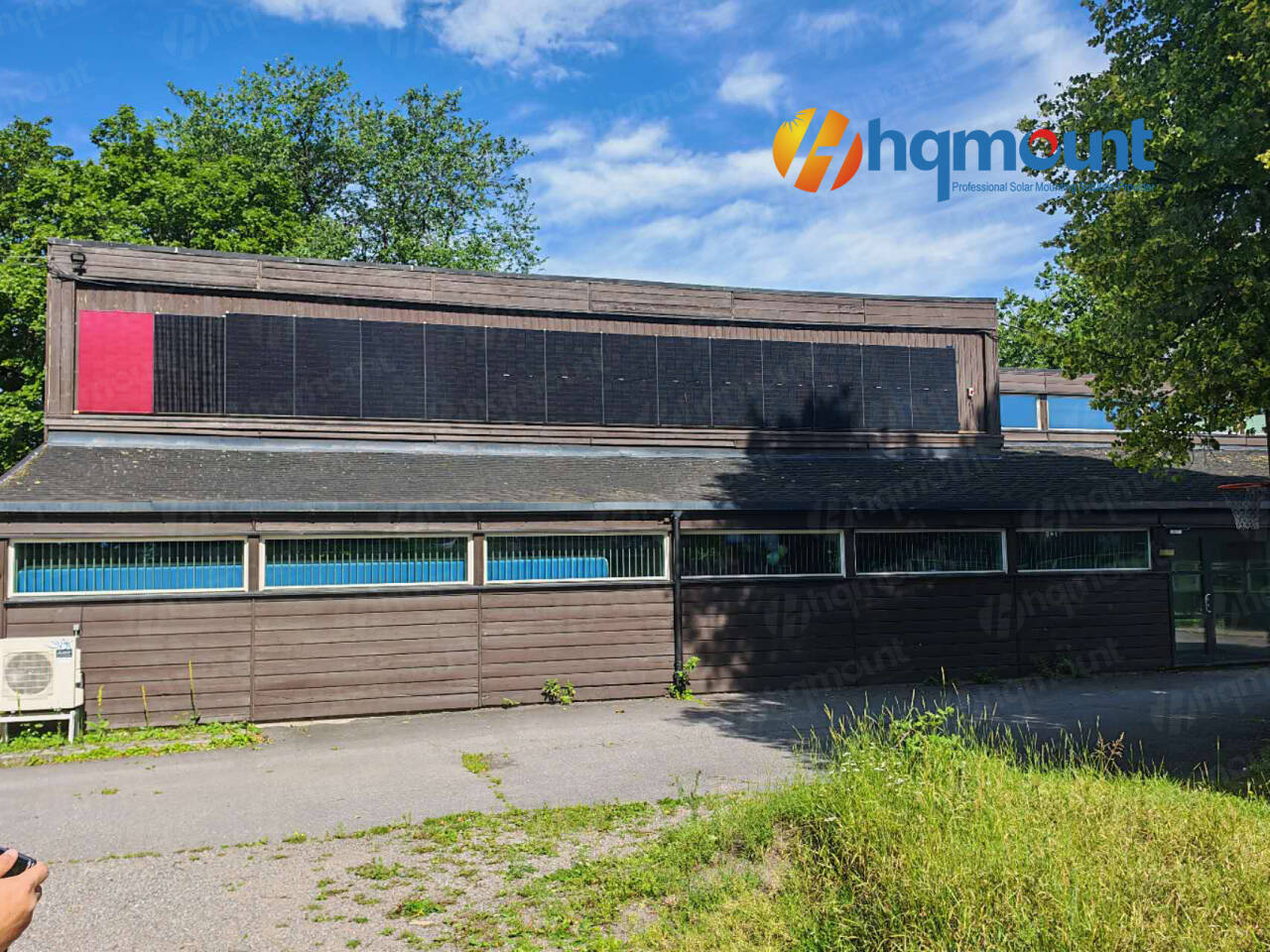
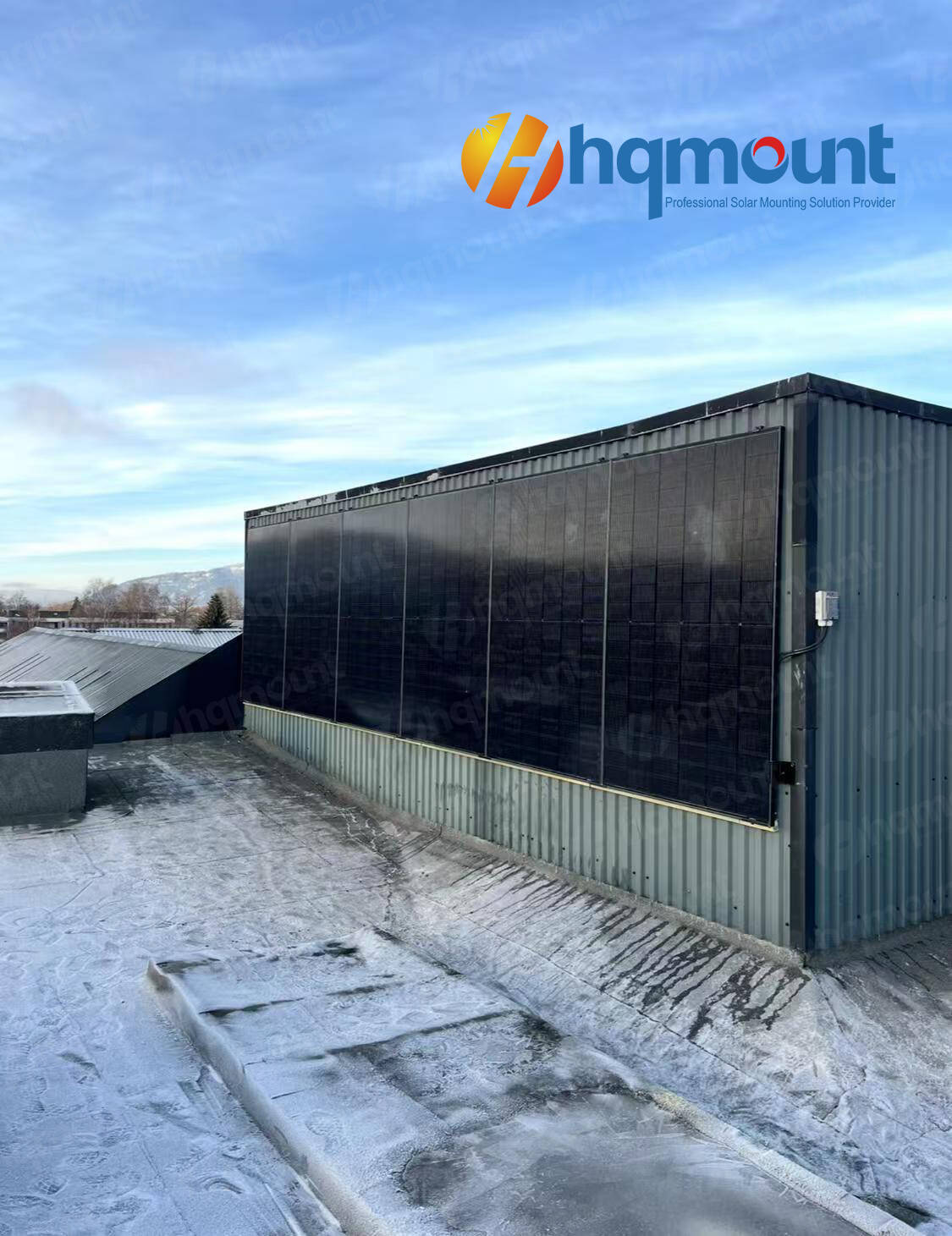
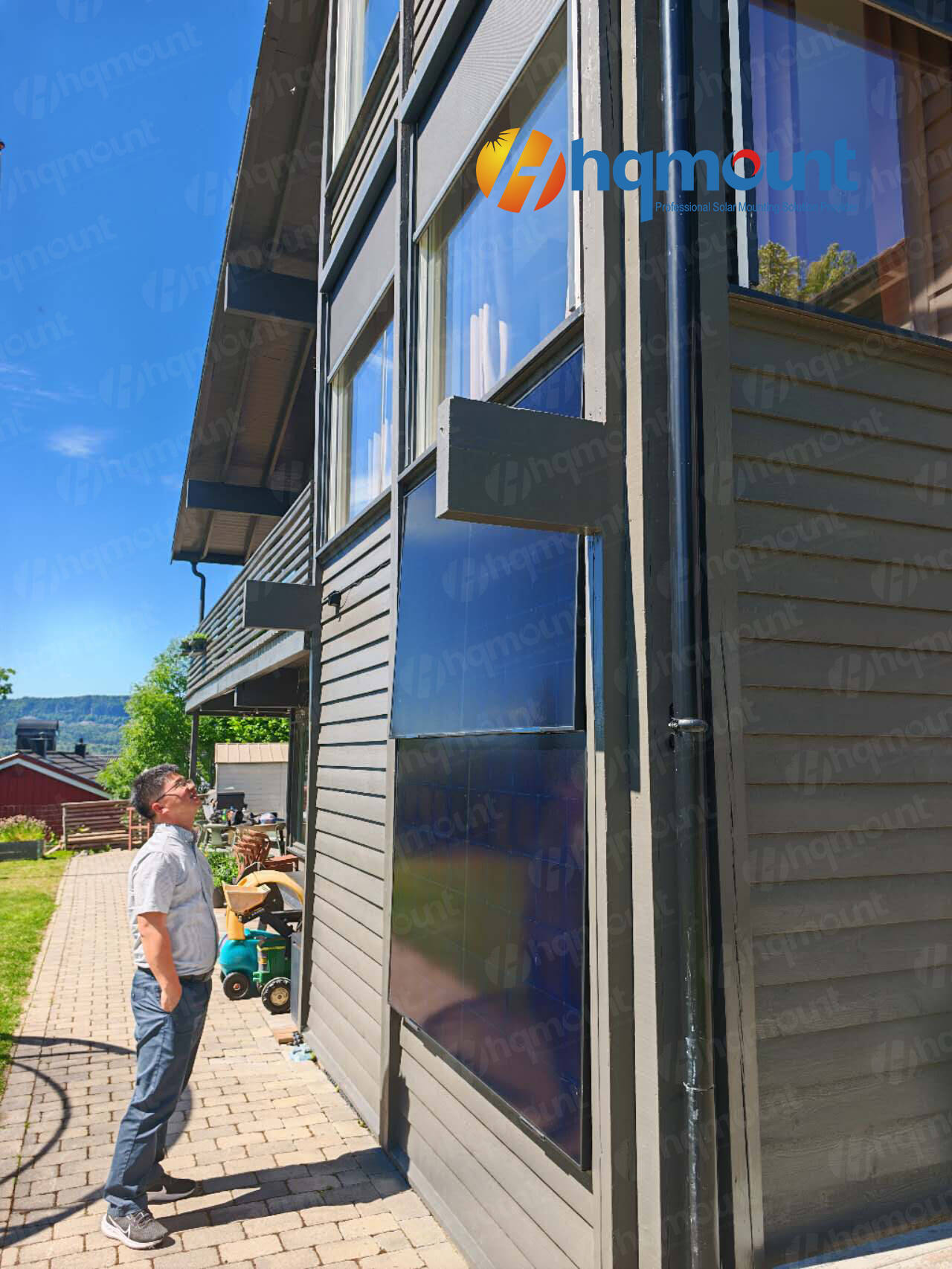
We’re excited to share an exclusive update from our recent field visit to a cutting-edge vertical solar installation site in Norway! As a global provider of advanced solar mounting systems, HQMOUNT is proud to explore how Norway’s Arctic environment makes vertical solar a uniquely powerful solution.


Why Norway? The Vertical Advantage at High Latitudes

Norway’s geographic conditions — stretching up to 71°N latitude — present challenges that vertical solar technology turns into opportunities:


Low Sun Angle Optimization

Vertical-mounted panels are ideal for capturing the sun’s shallow trajectory in winter, ensuring optimal energy production even in low-light months.


Snow & Ice Resilience

Wall-mounted systems avoid snow burial and harness reflected light from snow-covered terrain.


24-Hour Summer Sun

Vertical panels mounting efficiently absorb extended horizontal light during Norway’s long dawns, dusks, and 24-hour sunlight periods.


Collaborating for Cold Climate Innovation

HQMOUNT is working closely with local Norwegian partners to deliver next-generation vertical solar systems designed specifically for extreme climates. These installations aim to transform walls into energy-generating assets, enabling sustainable power even in the world’s northernmost regions.


Together, we’re turning walls into energy assets!


CONTACT US---XIAMEN HQ MOUNT TECH CO.,LTD

Whatsapp : 18030160771

Tel : 86 05926252889

Email : allie@hqmount.com


#VerticalSolar #HQMOUNT #ArcticEnergy #CleanEnergyFuture #SolarMounting #NordicInnovation #NorwaySolar #CleanEnergyFuture #NordicSolar#RenewableTech